


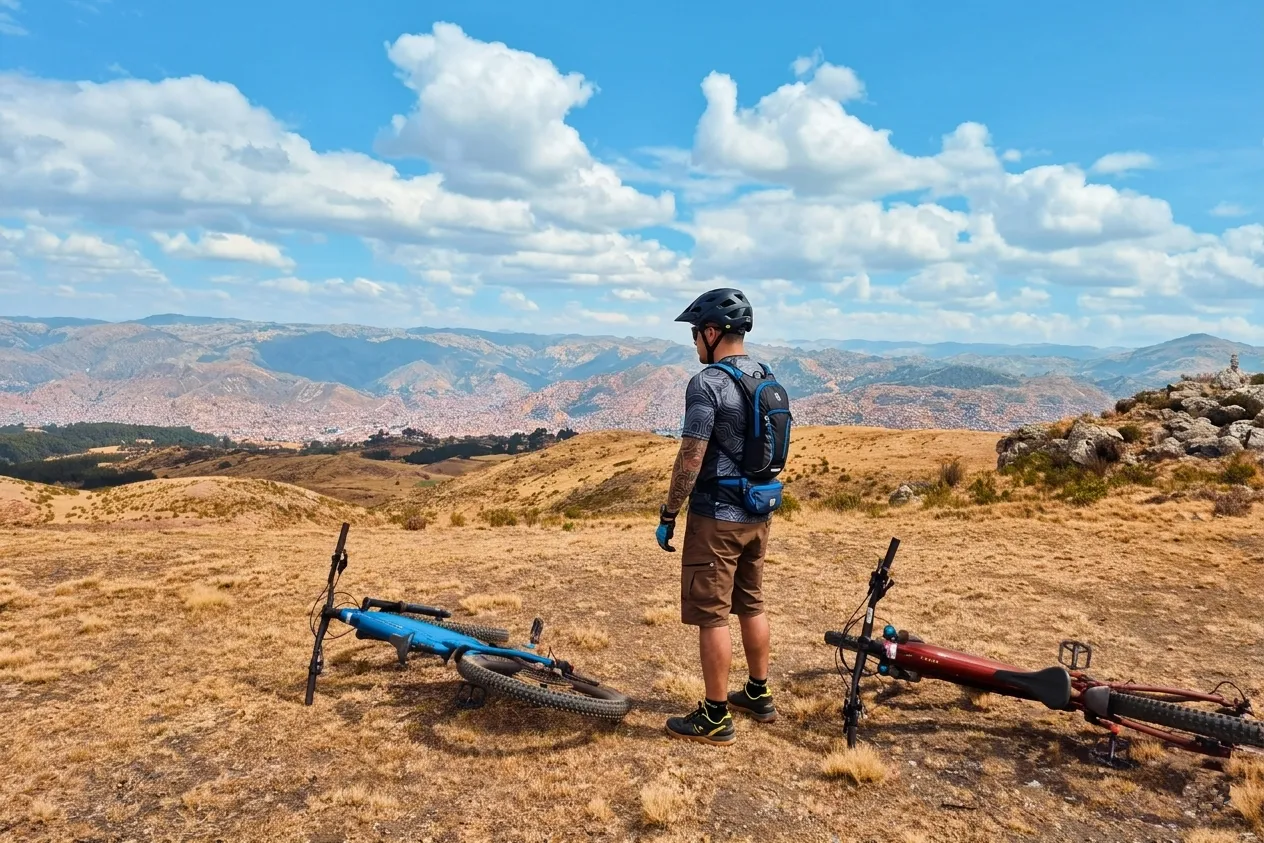
Quick Answer:
The advanced technical mountain bike trails in Cusco combine natural terrain, altitude, surface changes, and descents that demand real skill. Patacancha, Pumamarca, Abra Lares, and some lines in the Sacred Valley offer distinct experiences, so choosing the right route, season, and support level completely changes how the ride feels.
Advanced MTB routes in Cusco are not just about riding down mountain trails. They are about taking on natural terrain, altitude, changing lines, and descents that demand real technique. From areas like Patacancha, Pumamarca, Abra Lares, or the lines of the Sacred Valley, each route has its own character. In this blog, you will learn what to expect, how to prepare, and which options stand out the most.
Want to ride one of the most technical descents in the Sacred Valley? Explore our Day Tours in Cusco designed for riders looking for real enduro in the Andes.
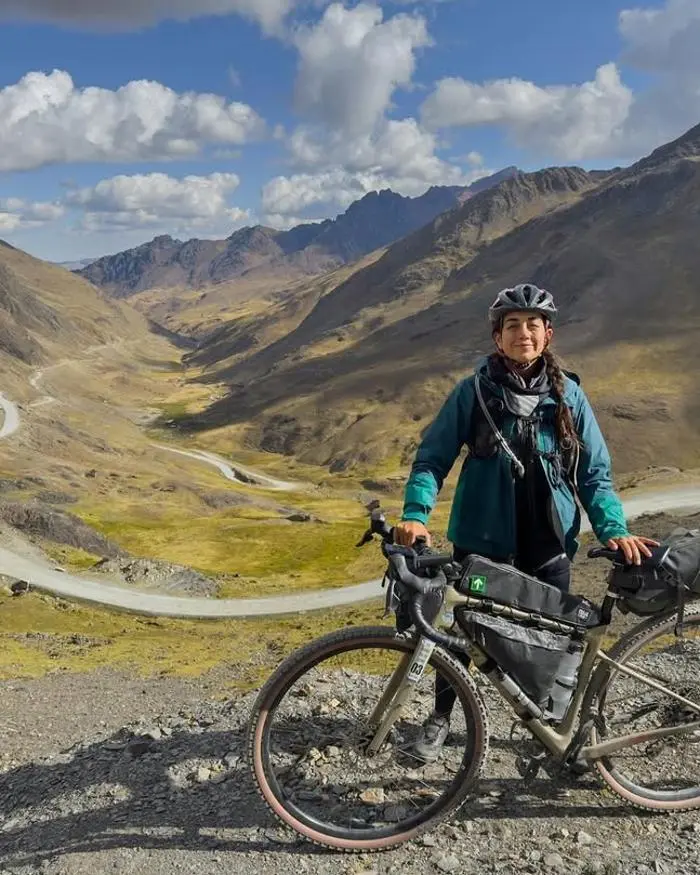
Natural light highlights the contours of the terrain and the scale of the Andean landscape.
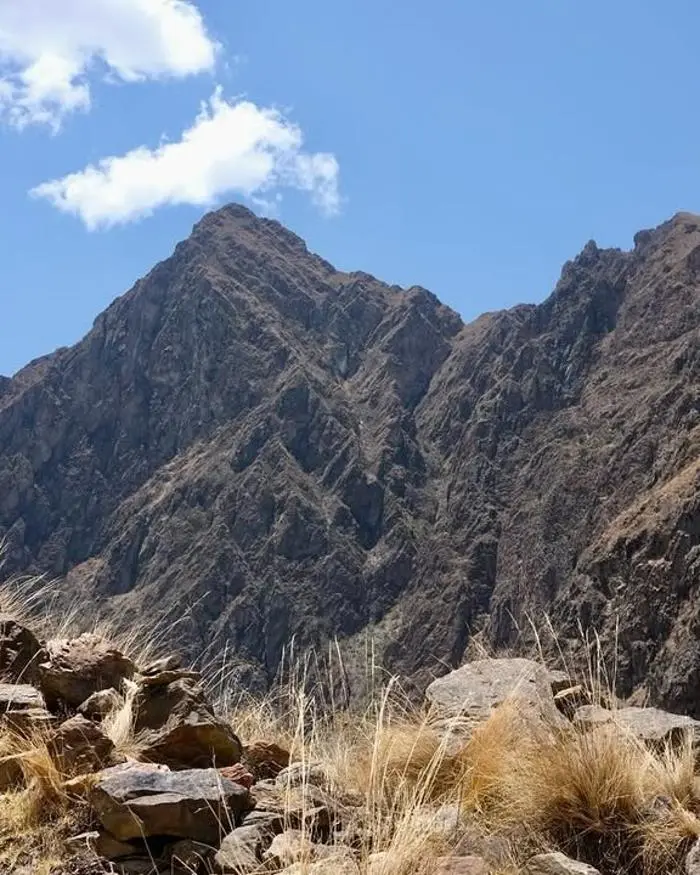
The dry vegetation contrasts with the harshness of the mountain terrain.
The best advanced MTB routes in Cusco you should know
Patacancha: the most complete descent in the area
Patacancha is one of the advanced technical MTB routes in Cusco and, for many riders, the main reference point when talking about technical MTB in Cusco. It stands out not only for its length, but also for the feeling of a full, complete ride. During the descent, you will come across:
- Open sections with a sense of exposure.
- Loose rock in higher zones.
- Stretches of dry dirt or dust.
- Sections with moisture or moss in the rainy season.
- Constant changes in rhythm and line choice.
Pumamarca: more direct and concentrated technique
This is a shorter descent, usually around 5 miles (8 km), but with a more concentrated intensity. Here, the terrain feels more immediate: less transition and more action from the beginning. It is common to encounter:
- Pronounced slopes.
- Loose dirt sections.
- Rocky stretches.
- Corners where line choice is everything.
Abra Lares
Advanced MTB routes in Cusco that include Abra Lares take the experience to another level in terms of altitude and exposure. The terrain is more open, more natural, and less obvious. There is not always a clear line, so it forces you to:
- Read the terrain constantly.
- Adjust your speed.
- Stay focused in exposed areas.
Urquillos and the Sacred Valley lines: flow with technical character
Routes in Urquillos and other areas of the Sacred Valley offer a very interesting balance between technique and flow. The terrain is still natural, but it lets you find:
- Faster, more continuous sections.
- Switchbacks with strong rhythm.
- Specific technical sections without being constant.
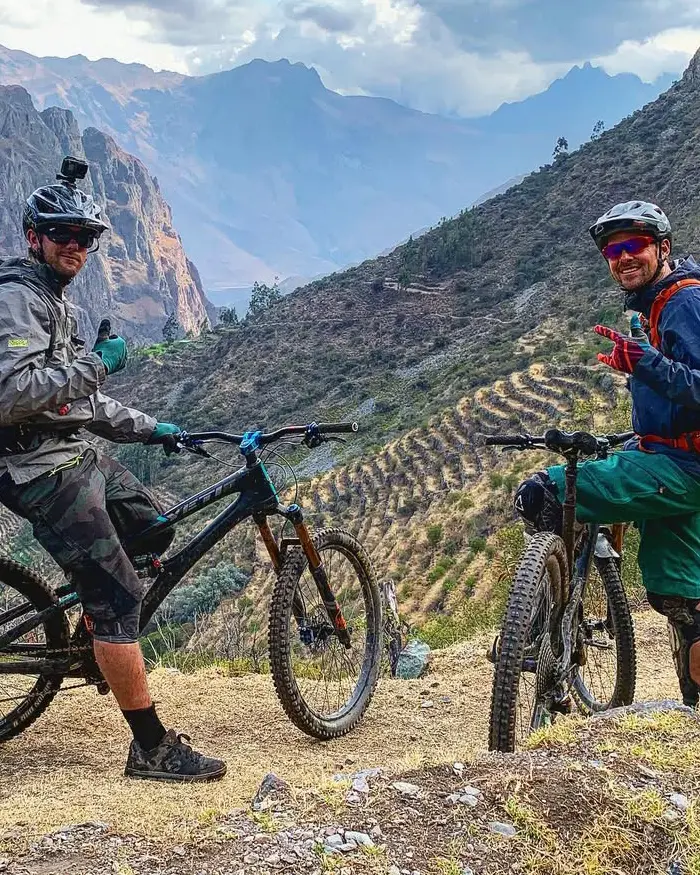
The scene captures a moment of connection between sport, nature, and Andean culture.
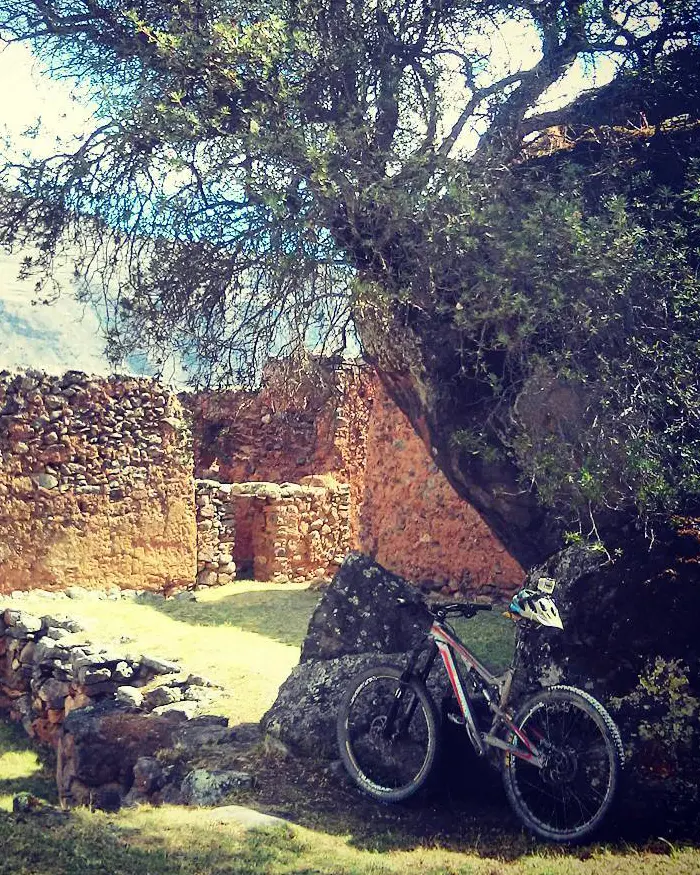
The contrast between the green of the tree and the earth tones of the buildings creates a warm atmosphere.
How technical MTB in Cusco really is
Natural terrain that demands more reading
Many routes follow natural trails, old roads, or rural track lines, so the terrain is not controlled or shaped. That means that on many advanced technical MTB routes in Cusco, the line is not always obvious, support points change, and the surface can feel very different from one section to the next.
Altitude also changes the difficulty
Another important factor on advanced technical MTB routes in Cusco is the altitude. Many routes take place between 11,500 and 14,764 feet (3,500 and 4,500 meters), and that makes effort feel different. At that elevation, you react more slowly, fatigue earlier, and have less room for error.
What level you really need
In practical terms, this kind of riding on advanced technical MTB routes in Cusco is a better fit if you already have a strong intermediate level or above. You do not need to be an expert, but you do need real experience on natural singletrack, know how to control the bike on uneven ground, and feel comfortable when the line is not obvious.
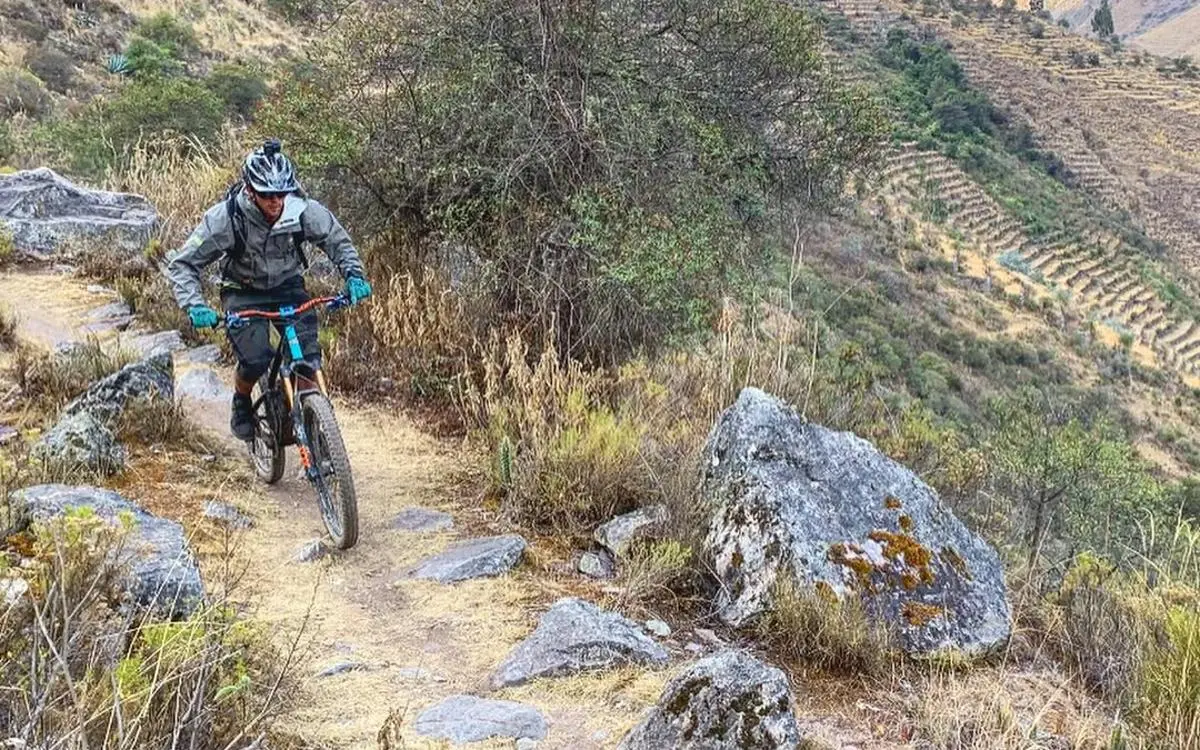
The setting mixes green zones with drier sections, showing the diversity of the terrain.
How does altitude affect technical MTB in Cusco?
⚠️ The essentials before riding at altitude
- Do not underestimate fatigue even if the day involves a lot of descending
- Altitude also affects your mental clarity and reaction time
- Starting too hard can ruin the ride
- It is smart to prioritize hydration, rest, and intelligent pacing
Less oxygen, more physical wear
At that elevation, your body fatigues more quickly, even when the day is dominated by descents. The CDC explains that altitude can cause symptoms such as headache, fatigue, loss of appetite, nausea, and vomiting, and that these usually appear after a rapid ascent.
It also affects your technical riding
At that elevation, your body fatigues more quickly, even when the day is dominated by descents. The CDC explains that altitude can cause symptoms such as headache, fatigue, loss of appetite, nausea, and vomiting, and that these usually appear after a rapid ascent.
Important note:
Fatigue directly affects your reaction time.
Best time of year to ride advanced technical MTB routes in Cusco
| Time of year | Months | What the terrain is usually like | How the ride feels |
| Peak dry season | May to September | Firmer, with less mud and better visibility | More fluid, more predictable, and with better control on technical descents |
| Transition months | April and October | Quite rideable, but with a bit more variation | A good mix of solid terrain and more changeable scenery |
| Rainy season | November to March | More mud, wet rock, and slippery sections | More technical, slower, and less stable |
What bike and gear you need
Enduro bike (recommended)
It will work very well on most routes, such as Patacancha, Pumamarca, or Urquillos. It gives you strong absorption, control in technical zones, and enough efficiency if the route includes mixed sections.
Downhill bike
It is a good option if you are looking for maximum stability on more aggressive descents or if your priority is charging hard downhill. That said, it may be less practical if the route includes connections or less continuous terrain.
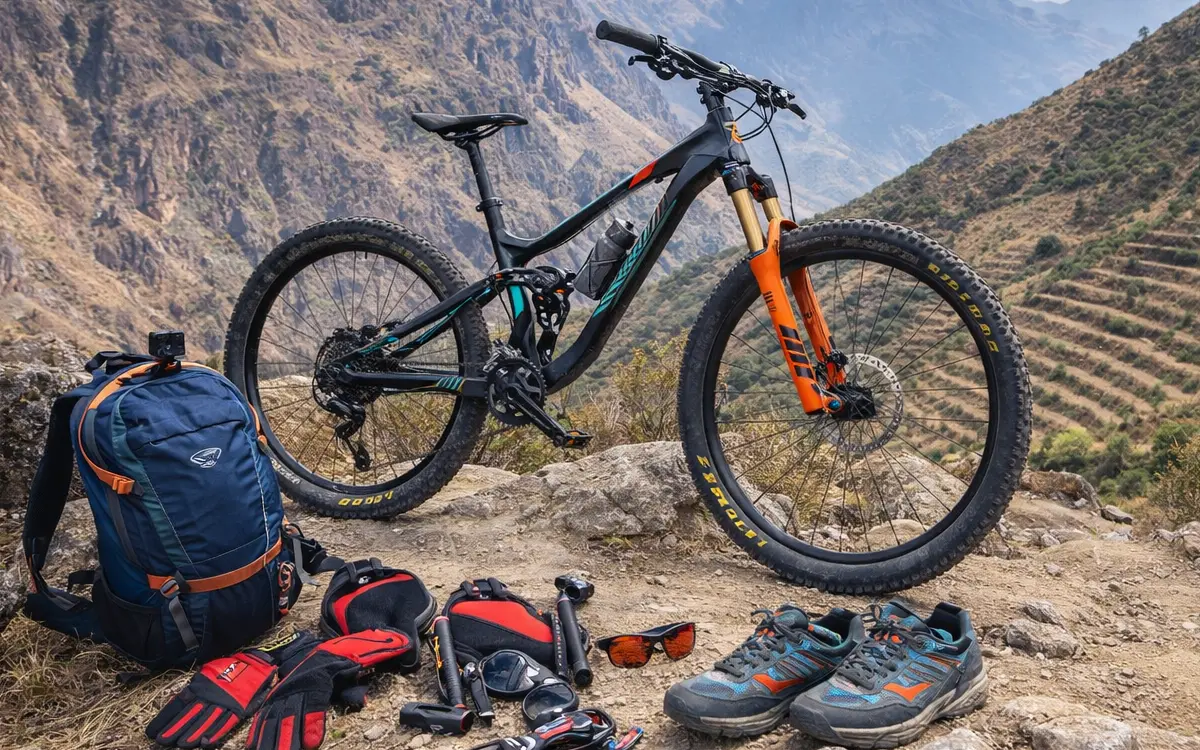
The backpack and accessories suggest an outing designed for long distances.
Elements that are critical on this kind of terrain:
Powerful, well maintained brakes
In Cusco, descents can be long, and the brakes work constantly. A strong braking system gives you more control and also reduces fatigue in your hands and arms.
Suspension in good condition
It is essential for absorbing rock, natural steps, and uneven terrain. If the suspension is not working well, the route will feel much harsher.
Tires with good grip
The terrain is usually dry, loose, and rocky, so you need tires that respond well in corners and under braking.
Reliable drivetrain
It is not the star of the show in downhill riding, but it still matters if there are pedaling sections or if you need to make adjustments during the route.
Expert tip:
Adapt your speed to the level of trail visibility, not just to your confidence.
Is it better to ride on your own or with a guide?
Although it is possible to ride on your own in Cusco, in practice, going with a guide is usually the best decision, especially on advanced technical routes. It is not just about navigation, but about how you manage the whole experience in a real mountain environment.
Many advanced technical MTB routes in Cusco do not start from an obvious or marked point. To reach areas like Patacancha, Pumamarca, or Abra Lares, you normally need:
- Shuttle style transportation to higher zones.
- Schedule coordination.
- Precise knowledge of access points and exits.

Group of riders stops in front of Inca doorway during downhill ride near Ollantaytambo.
Where to stay for MTB in Cusco
Cusco city: more services and easier initial adjustment
Here you will find:
- A wider selection of hotels, restaurants, and agencies.
- Easy access to transportation, tours, and services.
- A more urban and active atmosphere.
However, for MTB it has some limitations:
- You are farther from many routes in the Sacred Valley.
- Transfers can be longer.
How to fit MTB into your Cusco and Machu Picchu trip
An example itinerary:
- Day 1: Arrive in Cusco and acclimate.
- Day 2: Sacred Valley tour, including Pisac, Urubamba, Maras, and Moray.
- Day 3: MTB day in Ollantaytambo.
- Day 4: Train to Machu Picchu.

The elevated viewpoint lets you appreciate the scale of the site.
What makes advanced technical MTB routes in Cusco unique
Here, you are not riding in an environment designed for bikes, but in a living territory where the mountain, the culture, and the history are all part of your experience.
Authentic terrain, not built terrain
In Cusco, advanced technical MTB routes follow natural roads or old Andean track lines. Many of these trails come from agricultural routes or even from the Inca road system.
This means:
- The terrain is not predictable.
- The line is not marked.
- Every descent feels different.
- The technique comes from the environment, not from design.
Advanced technical MTB routes in Cusco stand out not only because of their difficulty, but also because of the setting in which they unfold. If you choose the season well, acclimate gradually, and bring the right gear, it will be much easier to ride with control, safety, and confidence. If you want to experience this in an organized, safe way that matches your level, Peru Biking Tours is your best ally. Contact us at +51 946 459 491 and start planning your next adventure.
Plan your MTB experience in Cusco
MTB Day Tours in Cusco
If you want to ride routes like Lamay Sapacto with the right logistics, local support, and the right trail selection, check out our MTB Day Tours in Cusco.
Multi-Day MTB Tours
For more complete experiences that connect multiple valleys and high mountain routes, explore our Multi-Day MTB Tours.


