Best Season for Mountain Biking Cusco: Dry vs Rainy Season
Quick Answer:
The best season for mountain biking Cusco is the dry season, as it offers clear skies and ideal conditions. The key lies in preparation, so choose routes suitable for the season, pack specific gear, and adapt your mindset to the powerful Andean environment. In Cusco, it’s divided into two: Dry Season and Rainy Season.
Choosing when to go mountain biking in Cusco can completely change your experience. In the Andes, weather, elevation, and trail conditions shift a lot throughout the year. It is not only about knowing whether it will rain, but about understanding how the cold feels, how the trail reacts, and what type of route makes sense for your skill level.
Wondering when to ride Cusco’s trails? Our day tours are designed for riders seeking authentic enduro adventures, whether in the dry season’s fast descents or the rainy season’s technical challenges in the Andes.
That is why knowing the best season for mountain biking Cusco helps you plan much better. In this guide, you will see which months work best, which routes tend to perform better in each season, what gear to bring, and what mistakes to avoid so you can ride more safely and enjoy the experience more.
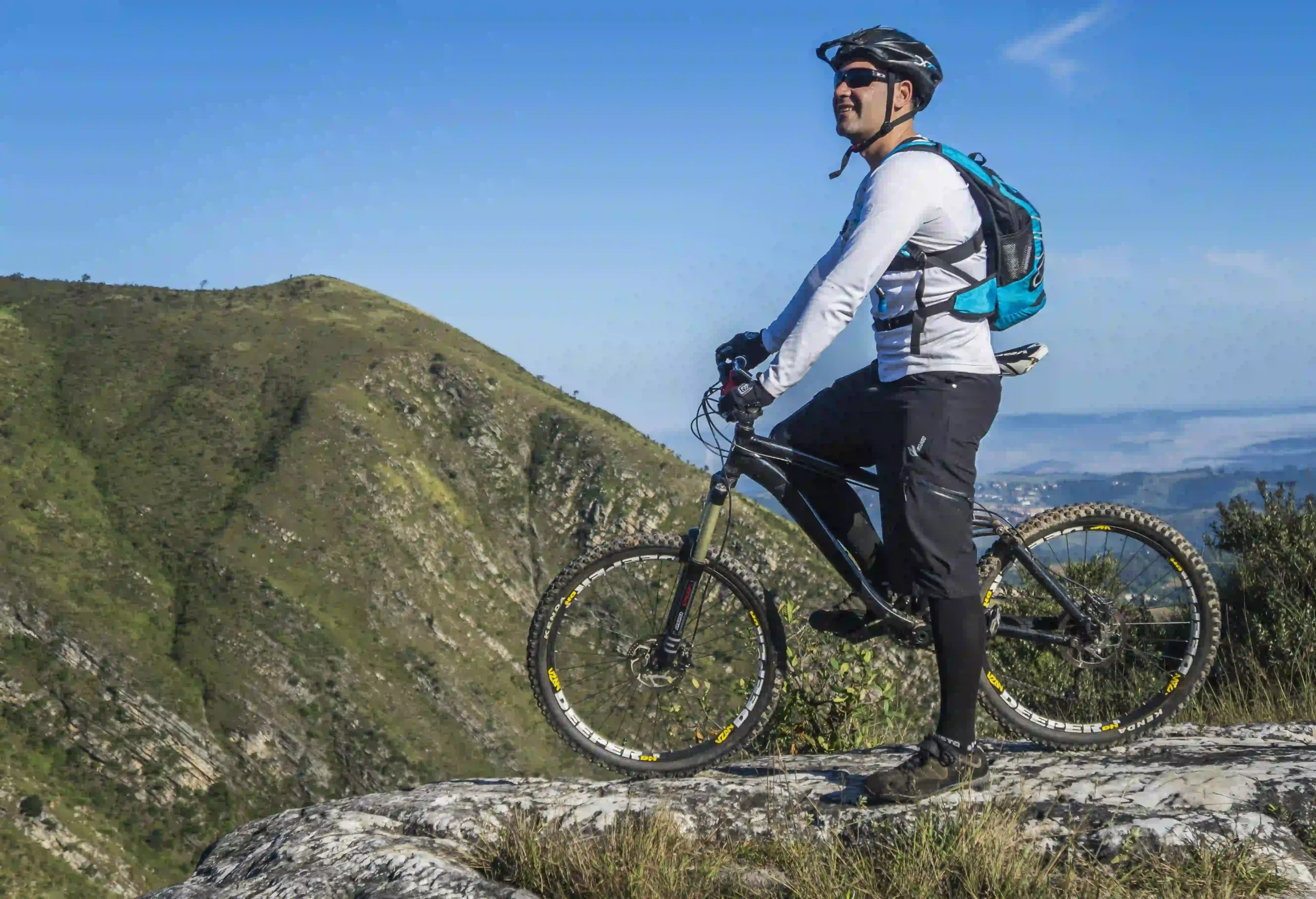
Admiring the vastness of the Andes before conquering the ancient stone trails.
What is the best season for mountain biking in Cusco?
For most riders, the best season is the dry season. During these months, the weather is usually more stable, trails stay firmer, and visibility improves, which matters a lot if you want to enjoy long descents, high mountain routes, or more technical terrain.
That does not mean the rest of the year is off limits. The rainy season can still deliver excellent rides if you choose the right zone, adjust your timing, and accept that trail conditions will be more variable. In other words, the best season for mountain biking Cusco depends on the kind of experience you want, your skill level, and the type of route you want to ride.
Dry season vs rainy season
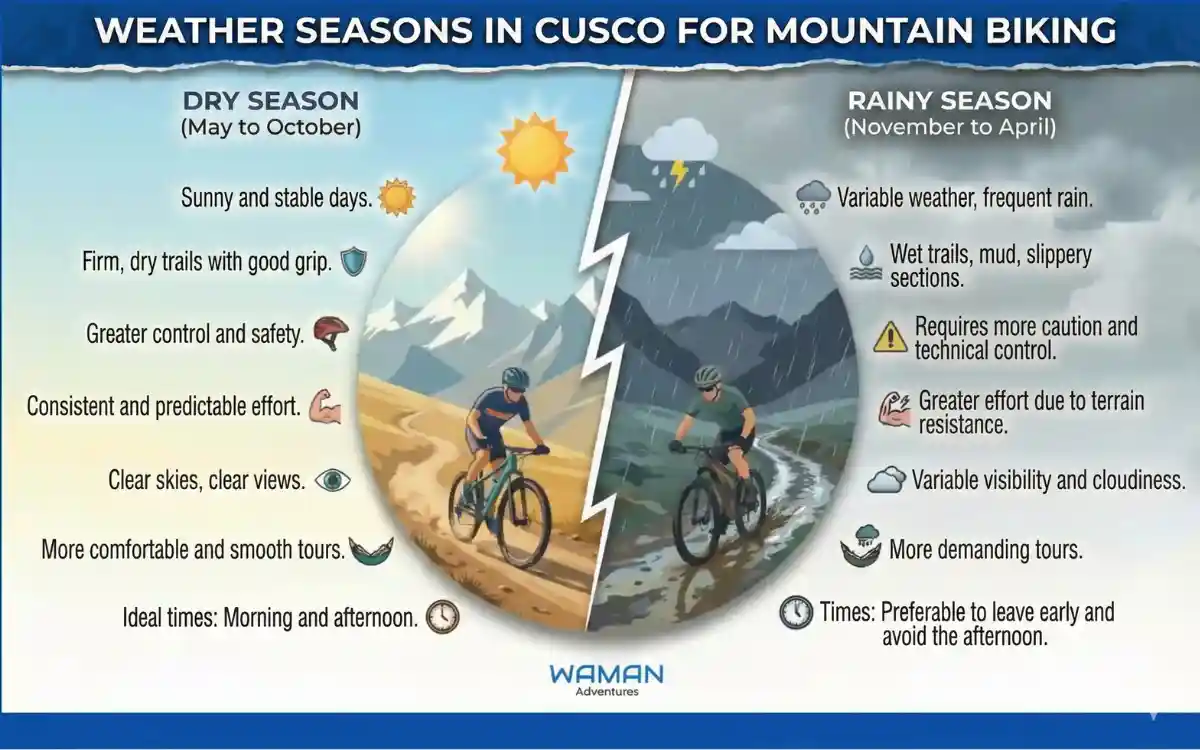
In theory, the difference looks simple. In practice, it changes a lot. What shifts is not only the scenery, but also traction, the speed at which you can ride with confidence, the kind of route that makes sense, and the energy you need to stay in control throughout the day.
Know Cusco’s seasons before you book: dry months bring smoother riding, rainy months demand more caution and control.
Aspect
☀️ Dry Season (April to October)
🌧️ Rainy Season (November to March)
Weather
Mostly sunny days with very little rain. Cold nights, especially in June and July.
Sunny mornings are common, clouds build around midday, and heavy afternoon rain is frequent. The landscape turns lush and green.
Temperatures
Days around 64 to 72 °F in Cusco (18 to 22 °C). Nights around 32 to 41 °F (0 to 5 °C). Noticeable wind on high mountain passes.
Days around 66 to 73 °F (19 to 23 °C), nights around 45 to 50 °F (7 to 10 °C). More moderate and less extreme than in the dry season.
Trails
Firm, slightly dusty, maximum traction. Ideal for faster descents and technical terrain. High elevation routes are usually accessible.
Variable: often excellent in the morning, muddy and slippery in the afternoon. Lower elevation routes drain better and recover faster.
Main advantage
Maximum predictability. Clear views of snow covered peaks. Great conditions for high mountain routes and technical descents.
Spectacular green landscapes. Far fewer tourists. More affordable prices for tours and lodging.
Main challenge
Very intense UV exposure at elevation. Cold wind on long descents. High demand means booking two to three months ahead.
Afternoon rain shortens the riding window. Some trails may close because of mud. Requires more day to day planning.
Recommended for
All skill levels, especially riders looking for technical routes, high mountain terrain, and predictable conditions.
Experienced riders or travelers riding with a local guide. Also ideal for those who prefer less crowded destinations.
Where to ride depending on the time of year
Not every route works the same way in every season. Choosing well is part of the planning.
It is smarter to head out early, check the real trail condition, and avoid overly long or extreme plans.
Local guide tip: Alex has been guiding MTB in Cusco for ten years and has one simple rule for the rainy season: “We leave at six in the morning to take advantage of the dry window. We always carry a local emergency poncho over the technical gear. It is light, covers everything, and works surprisingly well. A small cloth to dry the bike and lube the chain halfway through the ride completely changes the experience.”
January and February: the months that require the most attention
These are the peak months of the rainy season and deserve separate planning. Riding well during these months is possible, but conditions change quickly and the margin for error is smaller.
Aspect
January and February: what to expect
Rain level
The heaviest and most frequent rainfall of the year, sometimes lasting for hours at a time.
Trail condition
Deep mud on many trails and extremely slippery surfaces in clay heavy areas.
Recommended start time
Leave before 7:00 a.m. to make the most of the drier early morning window.
Type of routes
Shorter rides, lower elevation routes, and terrain with good natural drainage. The Sacred Valley is usually the best option.
Tour pace
Slower and more controlled. Estimated times increase by about 20 to 30 percent.
Key gear
A quality waterproof jacket, backpack cover, quick drying clothes, and extra socks.
Caution level
High. Technical descents during these months are best left to riders with real mud experience.
Recommended for
Experienced riders or groups traveling with a local operator who knows real time trail conditions.
best seasons for mtb
Want to ride downhill in the Sacred Valley without worrying about logistics, access points, or safety?
At Peru Biking Tours, we run downhill routes with expert local guides, quality enduro bikes, and full mechanical support.
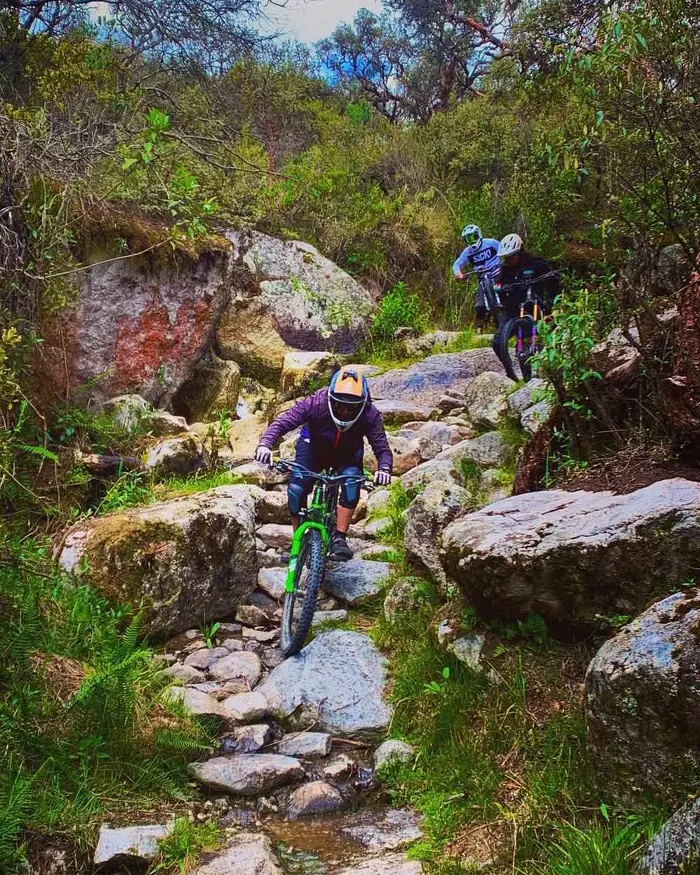
Rock steps demand precision, smooth braking, and full control.
Steep high mountain descent with snow peaks in sight.
How the weather feels on the trail and why elevation changes everything
Thinking that ideal weather in Cusco means warmth is a common mistake. What you usually get is cold mornings, strong sun during the day, and fast changes if the wind picks up, you gain elevation, or you commit to a long descent.
On top of that, elevation makes everything feel more intense. That is why even in the dry season, it is smart to head out well prepared.
Effort builds up faster than it does at lower elevation.
Dehydration increases, even when you do not feel especially hot.
Solar radiation is intense, especially on open routes.
The temperature you feel changes quickly depending on time of day, wind, and elevation.
If you have just arrived in Cusco or have little experience riding at elevation, starting in the Sacred Valley is usually the smarter move instead of jumping straight into a hard route.
Recommended gear for each season
What you bring can make the difference between an adventure you remember for the rest of your life and a day you would rather forget.
Recommended Gear by Season
☀️
DRY SEASON
April to October
CUSCO
🚲 BIKE
A hardtail is enough for many routes, but a full suspension bike will feel better on technical descents. Tires with solid tread are best for loose dirt.
⚠️ ESSENTIAL
• SPF 50+ sunscreen: Dark sunglasses and a neck buff. UV exposure at elevation is extreme.
• 3 layer system: Jersey, light windproof or waterproof shell, and a warm jacket for stops. Bring warm gloves for descents.
• Hydration: Carry at least 2 to 3 liters per rider. Dry air and elevation dehydrate you quickly.
🌧️
RAINY SEASON
November to March
CUSCO
🚲 BIKE
Disc brakes in excellent condition are non negotiable. Use more aggressive tire tread. Good suspension helps a lot on slippery roots and rocks.
⚠️ ESSENTIAL
• Quality rain protection: A breathable waterproof jacket (Gore Tex or similar) and waterproof pants. Disposable plastic gear is not enough.
• Foot protection: Waterproof MTB shoes or boot covers. Keep spare socks inside a dry bag.
• Eye protection: Clear lenses or interchangeable lenses for low light and rain.
Mistakes that ruin a good MTB session in Cusco
Common Mistakes to Avoid
☀️
IN THE DRY SEASON
April to October
CUSCO
⚠️ COMMON MISTAKE
Underestimating the cold on descents. Wind plus sweat can push your body temperature down fast. Dress in layers.
🌧️
IN THE RAINY SEASON
November to March
CUSCO
⚠️ COMMON MISTAKE
Underestimating mud. A trail that looks merely wet can turn into sticky clay that blocks your wheels in minutes.
⚠️
FOR EVERYONE
All Year
CUSCO
⚠️ MISTAKE #1
Not testing your rental bike before a long descent. Check the brakes, shifting, and suspension first.
⚠️ MISTAKE #2
Not carrying cash in Peruvian soles for water, snacks, or small emergencies in villages where easy payment may not exist.
Booking, acclimatization, and smarter decisions before you ride
Book farther ahead in the dry season, especially from June to August, when demand for tours, lodging, and logistics is higher.
Arrive at least 48 hours early if you plan to do demanding MTB. Elevation does not forgive rushed decisions.
Start with a realistic level of difficulty. If you have just arrived or do not usually ride at elevation, the Sacred Valley is a much better starting point than an extreme route on day one.
Always check the bike before a long descent, especially if you are renting it. Brakes, shifting, suspension, and tire pressure should feel right from the beginning.
Carry some cash for water, snacks, or any small expense in villages or stops where payment options are limited.
What really defines the best season for mountain biking Cusco
The dry season is still the best answer for most riders because it offers firmer, more predictable conditions and lets you experience the real potential of MTB in Cusco. Still, a great ride does not depend only on choosing dry season or rainy season. It also depends on understanding what kind of route you want, how elevation will affect you, and which conditions fit your level and travel style best.
If you already know which season suits you best, this is the perfect time to book your next adventure with Peru Biking Tours. We take care of the logistics, the routes, and the support in every detail, with an A1 MTB team in Cusco so you can enjoy a safe, smooth, and well organized experience.
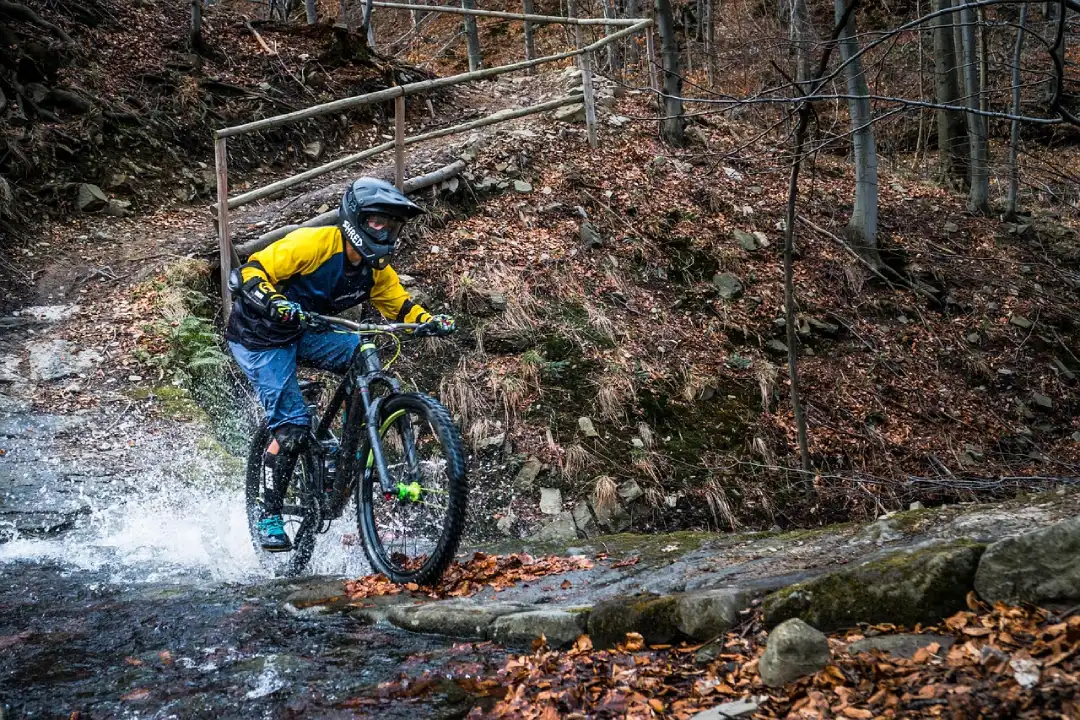
MTB in Extreme Conditions: Cyclist Crossing Stream in Autumn Forest
Plan your MTB experience in Cusco
🚵
MTB Day Tours in Cusco
If you want to explore routes like Lamay Sapacto with the right logistics, local support, and suitable trail selection, check out our MTB Day Tours in Cusco.
⛰️
Multi-Day MTB Tours
For more comprehensive experiences that connect several valleys and high mountain routes, discover our multi-day MTB Tours.
Frequently asked questions about seasons and weather for MTB in Cusco
What is the best season for mountain biking in Cusco?
The dry season, from April to October, with June, July, and August as the peak months. It offers stable weather, clear skies, and trails with maximum traction, which makes it ideal for technical riding and high mountain routes. It is the most predictable time of year and also the busiest, so it is smart to book in advance.
Can you ride MTB in Cusco during the rainy season?
Yes, with the right preparation. The rainy season, from November to March, is still a viable option if you choose lower elevation routes such as the Sacred Valley, head out before 7:00 a.m., and bring quality rain gear. The landscapes are greener, there are fewer tourists, and prices are often more accessible.
How does elevation affect bike performance?
More than most people expect. At around 11,150 ft (3,400 m), aerobic performance drops noticeably and fatigue arrives sooner. At least two days of acclimatization are strongly recommended before demanding routes. Beginners should start in the Sacred Valley, around 9,500 ft (2,900 m), and build up gradually.
How does riding change with rain and wind?
Rain can turn many trails into sticky clay that clogs wheels and brakes in a matter of minutes. Crosswinds on high mountain passes can also throw you off balance, even on descents you normally feel comfortable on. In both cases, the solution is to reduce speed, set up earlier for corners, and keep your brakes in perfect condition.
What gear is essential for each season?
In the dry season: SPF 50+ sunscreen, a 3 layer clothing system including a wind shell, warm gloves for descents, and 2 to 3 liters of water. In the rainy season: a quality waterproof jacket, waterproof pants, disc brakes in excellent condition, and aggressive tread tires.
Is a guide necessary for riding in the Andes?
It is highly recommended, especially on remote or high mountain routes. A local guide knows the real trail condition for each season, provides mechanical and vehicle support, and can make real time safety decisions when conditions shift.
What type of bike do I need for routes in Cusco?
For many classic routes, a hardtail is enough. A full suspension bike improves comfort and control on longer technical descents. In the rainy season, disc brakes and aggressive tread tires are essential.
Are there MTB routes in Cusco for beginners?
Yes. Areas such as Sacsayhuamán, Maras, and the lower parts of the Sacred Valley offer more approachable descents with less technical exposure. Guided tours with support vehicles can also adjust the route in real time to the group’s level, which makes them the best option for riders new to Andean MTB.
I studied Tourism and I enjoy writing about travel destinations and experiences with a keen eye for detail. I'm committed, I like challenges, and I take my work seriously. I also enjoy reading and writing because they help me learn, organize my thoughts, and constantly improve.