
• ES
  • EN
El sendero, flanqueado por muros de piedra, revela la estructura histórica del Qhapaq Ñan adaptada a una experiencia de MTB moderna.

Mountain biking historical trails in Cusco: Real Roads, Real Culture, Real Views

Quick Answer

Mountain biking historical trails in Cusco is a one of a kind ride. You pedal on active rural roads where agricultural terraces, Inca stone walls, and sections of the Qhapaq Ñan appear as part of everyday life. It is not traditional archaeology tourism. It is exploring a living cultural landscape on two wheels. Expect elevations around 9,843 ft (3,000 meters), a moderate to high fitness demand, and a much better experience with a local guide who can add cultural context and keep the route smooth.

Riding Mountain biking historical trails in Cusco on rural routes and open roads means you can roll past farming terraces, stone walls, and sections of the Qhapaq Ñan, all while sharing the path with local communities and everyday life. It is an accessible and deeply authentic experience. It is not just a sport day. It is a way to explore a living cultural landscape. In this guide, you will learn what historical remains you can spot on the ride and what the route feels like in real life.

Want to experience Cusco’s historical MTB trails? Our day tours are designed for riders who want authentic enduro adventures in the Andes—always richer when you ride real Inca roads, connect with local culture, and enjoy breathtaking views.
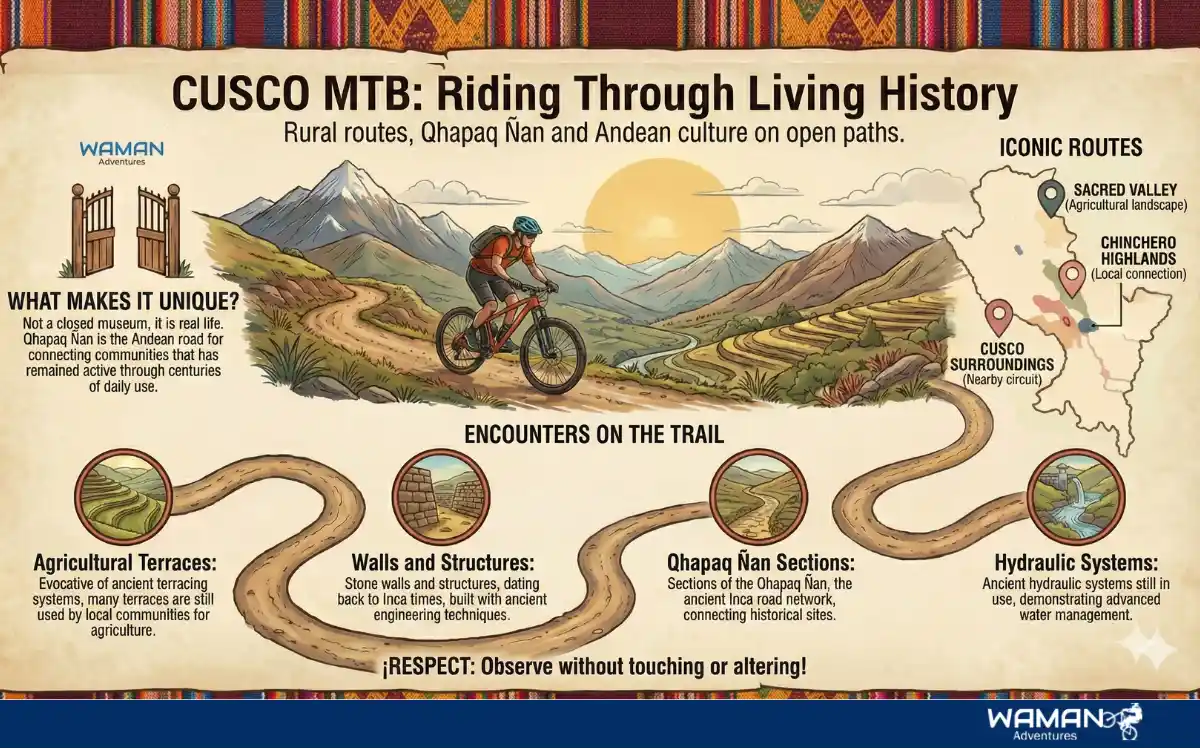
Infographic about Cusco MTB historical remains showing Inca stone routes, terraces, and Qhapaq Ñan sections integrated into modern mountain biking trails.

In Cusco, mountain biking is more than speed, it is riding through living history

Cusco: a unique destination for Mountain biking historical trails

Cusco is one of the few places where mountain biking and historical remains come together naturally. Many Inca routes still run through open landscapes and remain part of daily life.

As you ride, you may roll over stretches of the Qhapaq Ñan, the ancient Inca road network that connected communities, farming zones, and ceremonial sites across the Andes. That is what makes Mountain biking historical trails in Cusco so special: real working roads, big Andean scenery, and a true sense of exploration.
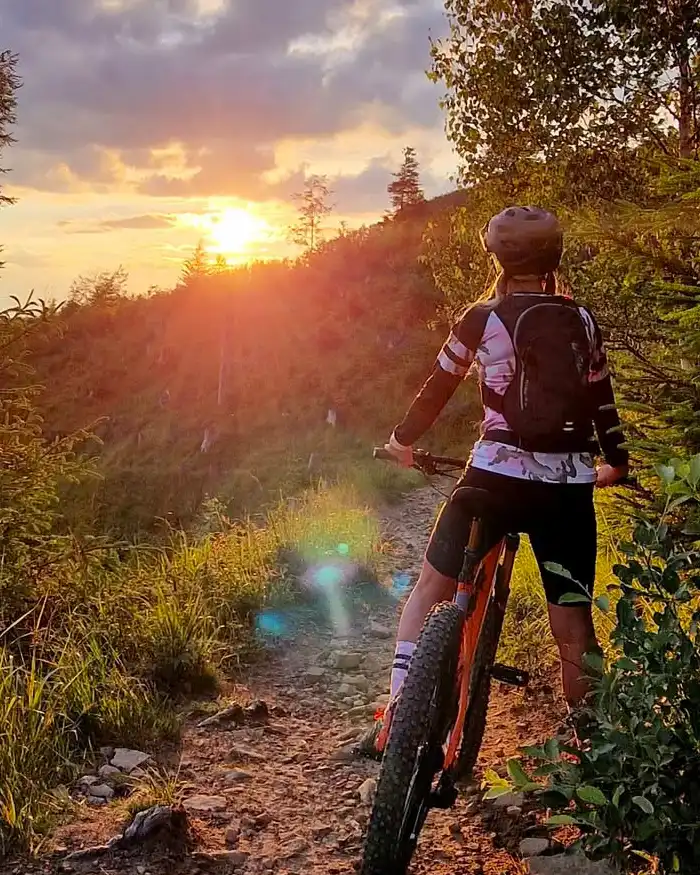
Mountain bike positioned downhill on a rocky trail in Cusco, Peru, surrounded by green shrubs, warm light, and a rugged Andean backdrop.

Set the bike downhill, pick your line, and let the trail do the talking.

Mountain bike resting on gravel and loose dirt in Cusco, Peru, with an Andean lake and deep valleys visible in the distance.

A quick pause on loose gravel before the next high Andes section.

Downhill – Sacred Valley

Want to ride downhill in the Sacred Valley without worrying about logistics, access points, or safety?

At Peru Biking Tours, we run downhill routes with expert local guides, quality enduro bikes, and full mechanical support.

Historical remains you can see while mountain biking in Cusco

On mountain bike routes around Cusco, you can come across many traces of Inca engineering. It is common to see:

Farming terraces

Terraces built into hillsides to make the land productive and reduce erosion. Many are still used today by local communities.

Stone walls

Retaining or boundary walls built with stonework, common in pre Inca and Inca Andean engineering.

Old stone paved sections

Stone built stretches that once supported communication routes and today function as rural paths.

Qhapaq Ñan sections

Ancient Inca routes that linked agricultural, administrative, and ceremonial centers.

Ruins of homes and community structures

Remains of homes, storage buildings, or communal spaces located near rural routes.

Water channels and irrigation systems

Older hydraulic works designed to move water toward terraces and crop fields.

Pucarás (hilltop fortresses)

Defensive sites on elevated points, visible on some more remote routes.

Smaller ceremonial sites

Ritual spaces that are often subtle and blended into the natural landscape.

Ritual terraces and platforms

Leveled areas used for ceremonial or symbolic purposes.

Enduro rider crossing a narrow bridge on a technical trail in Cusco, Peru, staying stable over rocky terrain and steep edges.

Technical enduro in Cusco comes down to balance, posture, and clean control.
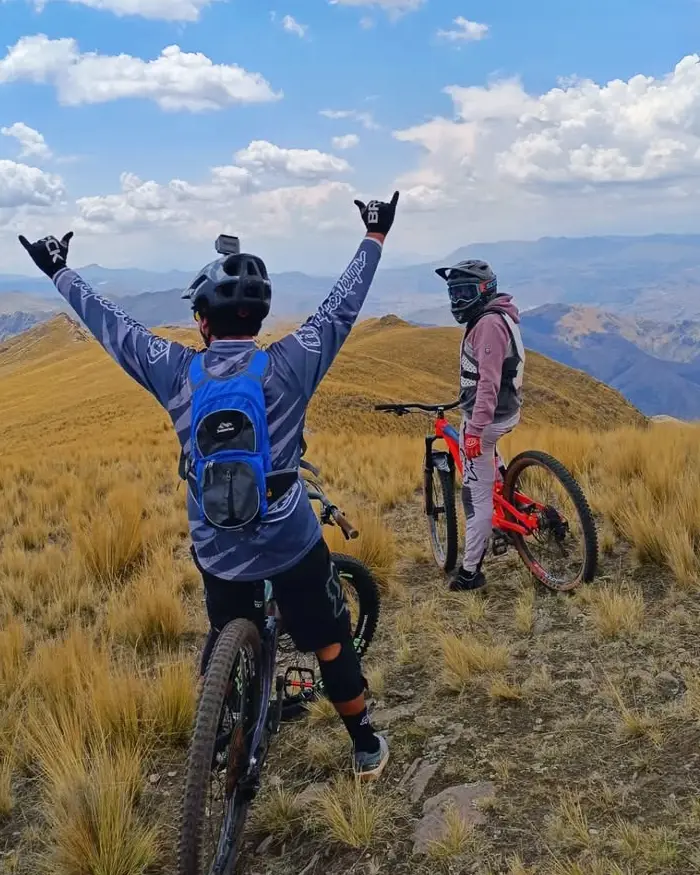
Two mountain bikers resting on a high Andean summit near Cusco, Peru, with golden ichu grass, open sky, and mountain views.

Two riders, one summit, and the Andes wide open.

Did you know?
In many areas, you will see terraces that are still used for traditional farming today.

What it really feels like to ride next to historical remains

The experience is natural, open, and part of everyday life. When you ride Mountain biking historical trails in Cusco, you are not limited to tourist routes. You pass near archaeological zones and, more importantly, along real working roads where remnants appear organically: stone walls, farming terraces, and sections of old Inca paths.

Many routes follow lines connected to the Qhapaq Ñan, a road system designed to link communities, crop fields, and ceremonial centers. In many destinations, history is something you look at from a distance. Here, you experience it while you ride.
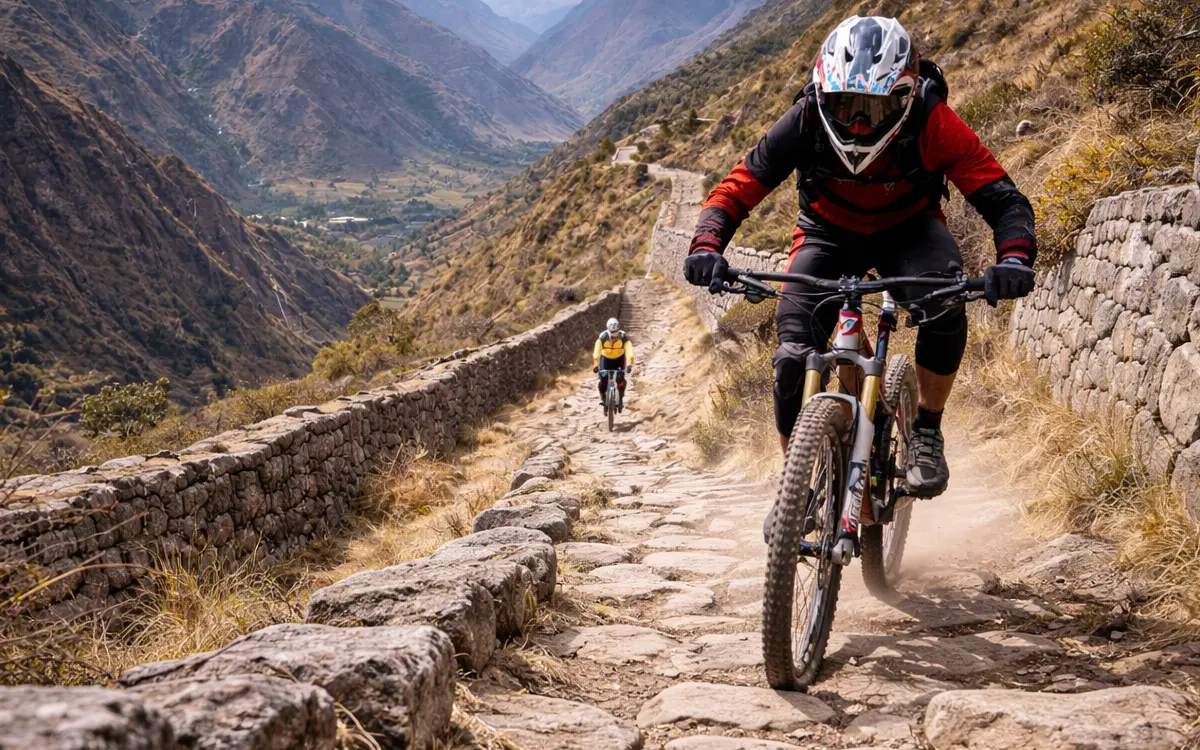
Mountain bike trail in Cusco, Peru, bordered by stone walls on an ancient route, with wide valley views and Andean terrain.

Stone walls, ancient routes, and a modern MTB line through Cusco.

Places where mountain biking and historical remains meet in Cusco

Here are a few of the most representative areas:

📍Maras, Moray, and the Salt Mines (Sacred Valley)

A classic combo for pairing mountain biking with cultural heritage. You can ride rural roads between farms and viewpoints, then connect to Moray.

📍Chinchero and routes down into the Sacred Valley

Many rides start near Chinchero and descend along open routes that link communities and Andean landscapes. On these routes, you are typically riding real rural roads still in use.

📍Sacsayhuamán, Qenqo, Puka Pukara, and Tambomachay

Just minutes from Cusco, you can ride a classic loop where mountain biking passes by iconic archaeological sites. Ideal if you want short cultural stops without going far from the city.

📍Pisac and the surrounding area

A Sacred Valley highlight for its ruins and terrace landscapes. Several active itineraries pair riding in the valley with cultural stops in the area.
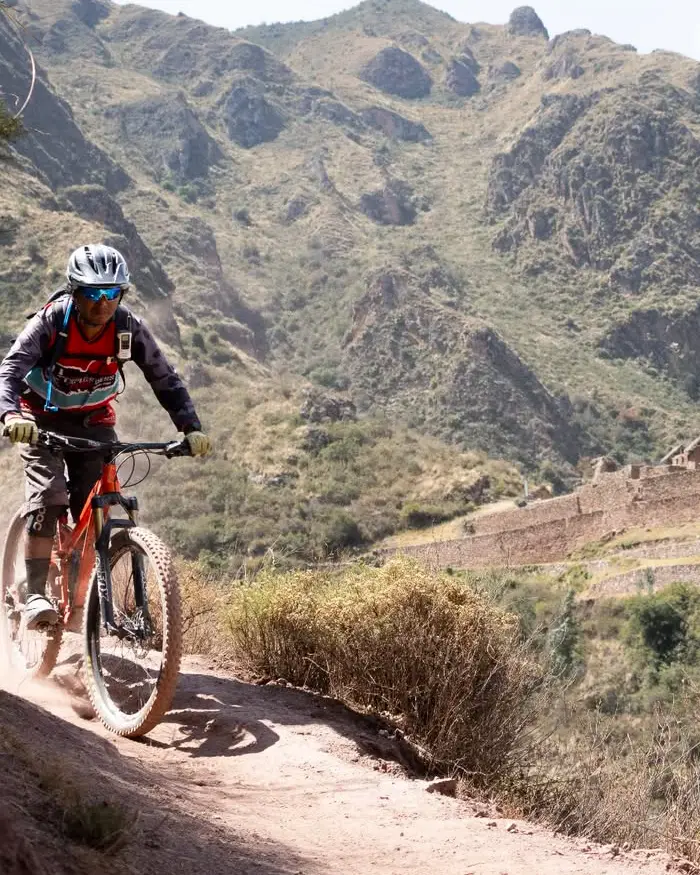
Mountain biker descending a narrow hillside trail in Cusco, Peru, kicking up dust, with rocky slopes and open Andean views behind.

Narrow hillside trail, loose dust, and full focus on the descent.
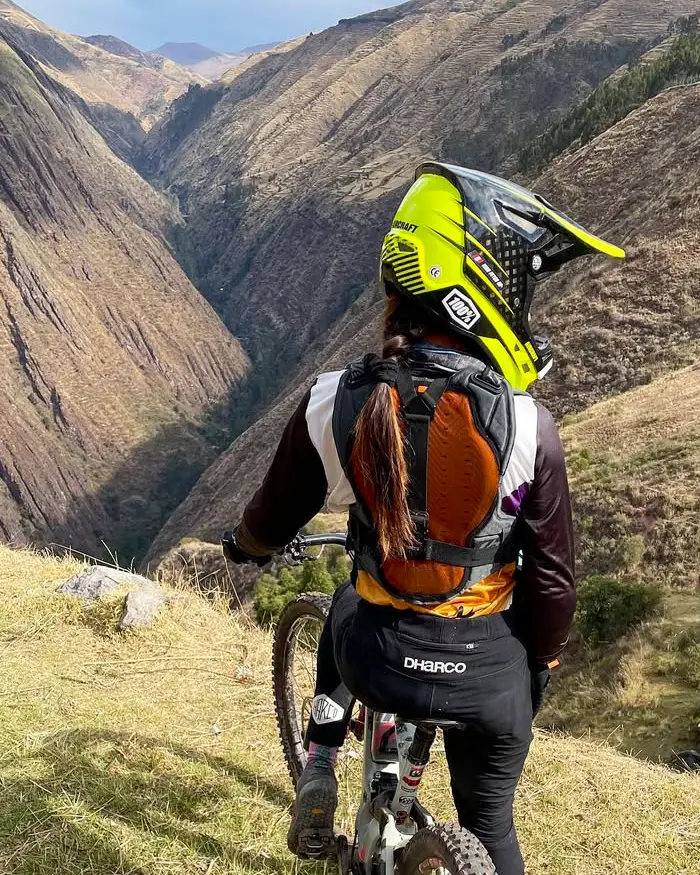
Mountain biker paused on an Andean trail in Cusco, Peru, wearing helmet and backpack, studying the terrain before continuing the ride.

Focus, mountains, and the trail ahead.

Fitness and technical level

✅ Perfect if:

  • You have basic to intermediate mountain biking experience
  • You care about Andean history and culture
  • You want an authentic experience, not just a workout
  • You can spend 1 to 2 days acclimatizing beforehand
  • You appreciate a steady pace and cultural stops

⚠️ Consider other options if:

  • This is your first time mountain biking
  • You only want adrenaline with no cultural context
  • You have uncontrolled heart or respiratory conditions
  • You cannot acclimatize to altitude

Warning:
Fine dust can reduce grip right when you need it most, especially in corners.

Enjoy Mountain biking historical trails in Cusco

This experience is best for active, curious travelers who care about culture, more than riders chasing pure speed or nonstop adrenaline. If you enjoy Mountain biking historical trails in Cusco, you will value both the ride and the story of the places you pass through.

Unlike destinations focused purely on performance, Cusco rewards attention and curiosity. Many roads have ancient origins and are still used today. The pace is often more relaxed, with moments to stop, look around, and really understand where you are riding.

What to bring for mountain biking

  • Certified helmet.
  • Mountain bike gloves.
  • Protective eyewear.
  • Enough water and electrolytes.
  • Energy snacks.
  • Layered clothing (light, warm, breathable).
  • Windbreaker or lightweight jacket.
  • Sunscreen and SPF lip balm.
  • Basic repair kit (multi tool, pump or CO₂).
  • Compact first aid kit.
  • Phone with offline maps and a full battery.
  • Cash and an ID.

Guided vs self guided riding on routes with historical remains

Category MTB (with a guide) MTB (without a guide)
Planning Your route, timing, and logistics are set up based on your level. You handle everything: route, timing, and logistics.
Safety Higher: a guide anticipates risks and critical spots. Varies: depends on your experience and terrain reading.
Navigation No stress about getting lost. Your guide knows access points and turns. Requires GPS, offline maps, and strong route finding.
Road conditions and active routes Routes are chosen for the season and day’s conditions. You may run into closures, terrain changes, or unexpected detours.
Community areas and local norms A guide knows where to pass and how to ride respectfully. Higher risk of entering sensitive areas without realizing it.
Historical and cultural context You learn what you are seeing and why it matters. Depends on what you research on your own.
Pace and level The pace is adapted to your fitness and experience. You manage your own pace and breaks.
Flexibility Moderate: there is structure, but it can be adjusted. High: full control of stops and route.
Gear and support Usually includes basic support and help with surprises. You must carry everything and solve issues yourself.

The cultural value of these routes

The cultural value of riding in Cusco is that these are not just trails. They are roads with history and daily use. With a local guide, you understand their origins, how they connect to older Inca lines, and how they still link communities and agricultural areas today.

Mountain biking historical trails in Cusco is a powerful way to experience the Andes on open routes that are still alive. If you are not sure which area to choose, what to pack, or how to ride safely, Peru Biking Tours can help you pick the right route. Contact us at +51 946 459 491 and ride through Cusco’s living history.

Person walks across rocky high Andean terrain near Cusco, Peru, under cloudy weather, showing a rugged route and remote mountain landscape.

Cloudy skies, rocky ground, Andean routes keep it real.
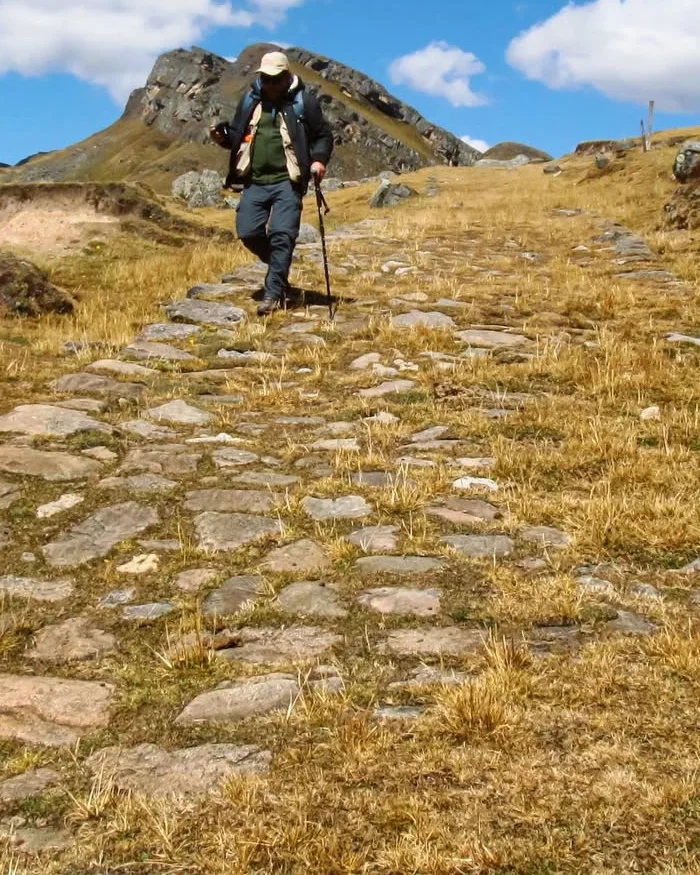
Hiker walks along the Qhapaq Nan Inca road near Cusco, Peru, on ancient stone path through high Andean mountains and open sky.

Every stone tells a story, walking the Qhapaq Nan above Cusco.

Thousands of travelers have trusted Peru Biking Tours to live unforgettable experiences in the Andes.

1

Your safety first

Routes adapted to your level, expert local guides and full support at all times.

2

Without worrying about anything

We take care of all the logistics so you can just focus on enjoying the scenery.

3

Authentic routes in Cusco

Experience the Sacred Valley in a real way, at your own pace, with access to the best trails.

4

Quality equipment

High-end enduro bikes, helmets and protective gear for all levels.

View Routes

WhatsApp · +51 946 459 491

Plan your MTB experience in Cusco

🚵

MTB Day Tours in Cusco

If you want to explore MTB routes with the right logistics, local support, and suitable trail selection, check out our MTB Day Tours in Cusco.

⛰️

E-bikes Tours

Curious how altitude impacts your e-bike in Cusco? Our E-Bike tours are designed for riders who want authentic enduro adventures in the Andes.

Frequently asked questions about Mountain biking historical trails in Cusco

Is it allowed to do Mountain biking historical trails in Cusco?

Yes. In Cusco, many Mountain biking historical trails pass through areas where remnants are part of the landscape and everyday life. These are not closed zones, but active rural roads. The key is to stay on established routes, do not move stones or disturb structures, and respect both the remains and the local communities.

Do I need special permits for Mountain biking historical trails in Cusco?

On most rural routes, no special permits are required. However, some specific areas may have temporary or community based restrictions due to farming work, local decisions, or weather conditions. That is why riding with a local guide or checking ahead helps you avoid restricted access or awkward situations.

Are the historical remains marked along the route?

Not always. In a Mountain biking historical trails experience, many remnants have no tourist signage because they are still integrated into daily roads. That makes the ride feel more authentic, but it also means you often need local knowledge to understand what you are seeing: terraces, older stone walls, paved sections, or Qhapaq Ñan fragments.

Is this experience beginner friendly?

It can be, if you have basic fitness and solid bike control. Still, the mix of altitude, uneven surfaces, and longer distances means it is not a perfect first ever mountain biking day. It fits best if you have some prior experience, or if you choose an easier route with a local guide and a steady pace.

Does altitude affect Mountain biking historical trails in Cusco?

Yes, altitude matters. Many Mountain biking historical trails routes take place above 3,000 meters (9,843 ft), which can increase fatigue and reduce performance if you are not acclimatized. Ideally, spend one or two days in Cusco first, hydrate well, and keep your pace controlled at the start.

Can I get close to or touch the historical remains?

It is best to observe respectfully and avoid touching or interfering with anything. These places have cultural value for local communities and they are sensitive heritage sites. Stay on the path, do not climb on structures, and take photos without altering the environment.

Is it safe to ride near rural communities on these routes?

Yes, as long as you ride respectfully. Slow down near homes, greet people, yield to pedestrians and animals, and stay on established roads. Remember, these are working routes used every day, not bike only tracks.

Should I do Mountain biking historical trails with a local guide?

Yes, especially if it is your first time. A local guide adds safety, navigation, and historical cultural context. They help you understand what you are seeing (Qhapaq Ñan sections, terraces, stone walls), how it connects to modern life, and where to ride without entering sensitive areas. A guide turns the ride into a more complete and meaningful experience.

Autores

  • My path has been forged through art, language, and the constant movement of travel. Creative training and stage experience have honed my ability to observe, listen, and tell stories, while my interest in languages ​​allows me to connect cultures through words.

  • Me apasiona cantar y bailar, y me encanta explorar nuevos lugares, especialmente alrededor de mi querido Cusco, un lugar que conozco bien. Disfruto manteniéndome activa practicando deportes como la natación y el voleibol. La salsa es mi género musical favorito, y no hay nada como un día soleado rodeado de hermosos paisajes. Me encanta compartir experiencias reales y experiencias inspiradoras.

Table of Contents