



Quick Answer:
On MTB routes in Cusco and the Sacred Valley, the animals riders most commonly see are llamas, alpacas, and local birds of prey. In higher and quieter zones, you may also spot vicuñas, and on some southern or high plateau routes, even guanacos. Wildlife sightings depend on altitude, route location, and how quietly you move through grazing areas.
Exploring mountain biking in Cusco goes beyond adrenaline. Each route combines unique landscapes and close encounters with llamas, alpacas, vicuñas or even the majestic condor. Pedaling through Inca trails and technical descents means sharing the road with species that have inhabited these mountains for millennia.
Curious about the wildlife you might encounter while riding in Cusco? Our day tours are designed for riders who want authentic enduro adventures in the Andes, always more memorable when you spot animals along the trails while staying safe and in control.
Animals you can see doing MTB in Cusco
On Sacred Valley routes, it’s common to pedal among llamas and alpacas, observe native birds and even spot condors in full flight. Each descent reveals a living ecosystem, where fauna forms an essential part of the experience. Knowing these species and respecting their environment transforms each route into an authentic adventure, connecting travelers with the cultural and natural essence of the Andes.
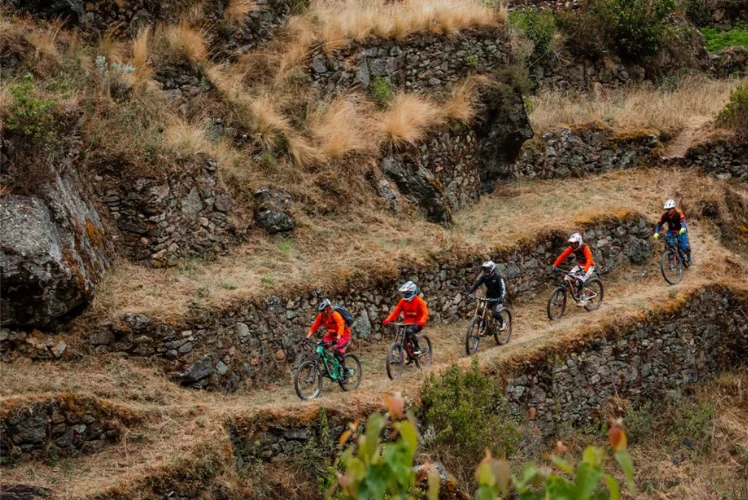
Two mountain bikers riding a trail alongside a rocky river in an Andean valley, with dry slopes and shrubs in the background.
Llamas and alpacas: the animals riders see most often
Llama: The classic Andean companion
The llama is the giant of the group and the one you’ll see most frequently on routes near towns and archaeological sites. During the Inca empire, it was the only pack animal in South America, capable of carrying up to 66 pounds (30 kilos) through mountain roads.
How to identify it from your bike:
When you see a large animal, with long and pointed ears (like bananas), with rather disheveled fur of various colors, it’s a llama. Its face is elongated and sometimes they’ll look at you with curious or slightly distrustful expression.
Where to see them on MTB routes:
Llamas are common on routes passing near communities. In Sacred Valley, especially on descents like Maras-Moray or Chinchero, it’s common to find them grazing alongside trails. They’re also usually present at archaeological sites: at Machu Picchu there are llamas living freely among the ruins.
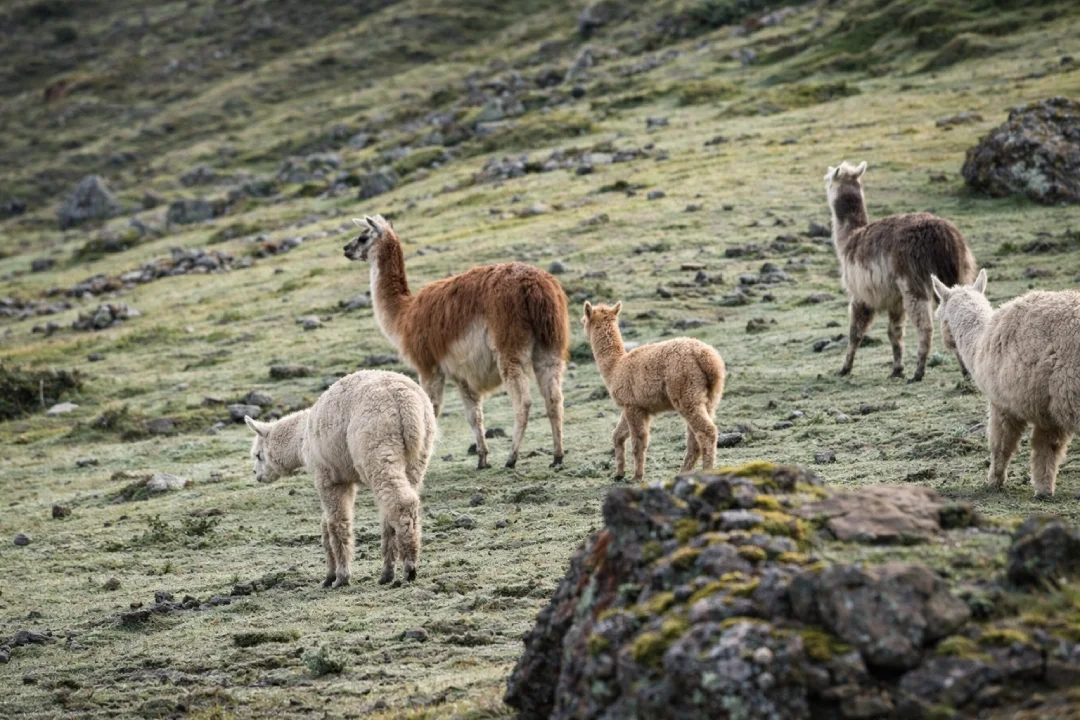
Llamas grazing in the Andes
Curious Fact:
Llamas spit, but only when they feel threatened or to establish hierarchies among themselves. If you maintain distance and don’t make sudden movements, you won’t have problems.
Alpaca: The star of Peruvian wool
The alpaca is the most valuable for its wool, considered one of the finest natural fibers in the world. The Incas considered it a living treasure associated with prosperity.
How to identify it from your bike:
Smaller and more compact than llama, with rounded and “chubby” face giving it an adorable appearance. Its ears are short and straight, and its coat is uniform, soft and very dense, as if wearing a luxury coat.
Where to see them on MTB routes:
Alpacas are usually in communal grazing areas at higher altitude. On routes like Lares or descents from Abra Málaga, it’s common to see entire herds crossing high Andean pampas. There are also farms like Awana Kancha (30 minutes from Cusco) where you can visit them.
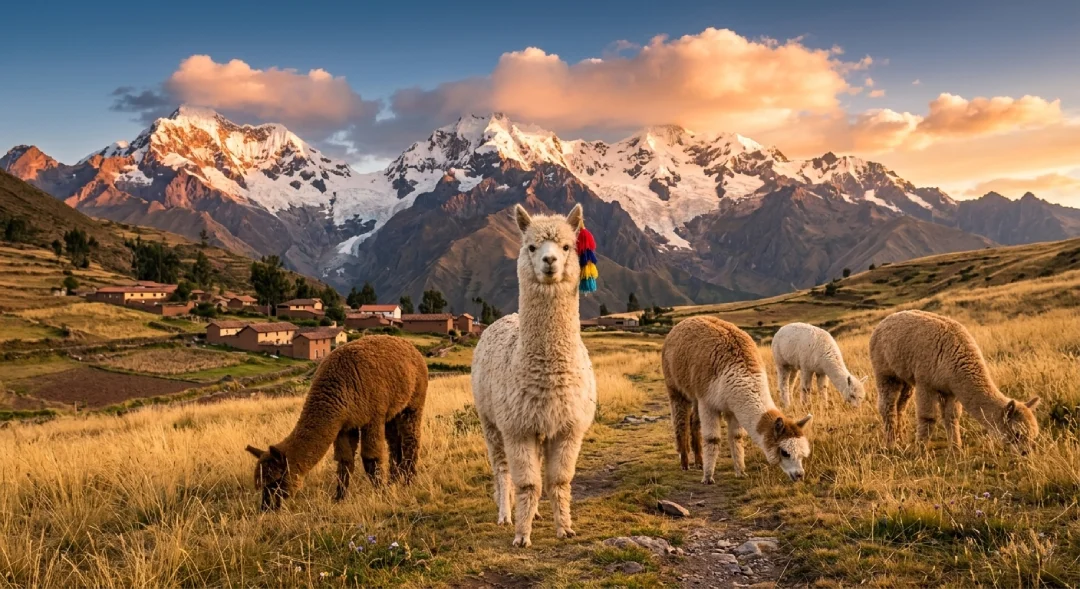
Alpacas in the Andes
Did you know…?
Alpaca meat is a lean and delicious protein source you can try in Cusco restaurants. It has a mild flavor, similar to lamb but finer.
Wild camelids: vicuña and guanaco
Vicuña: The sacred and hard to see symbol
The vicuña is the smallest, most elegant and valuable camelid. In Inca times, its wool was reserved exclusively for royalty. Today it’s a protected species and its fiber is among the most expensive in the world.
How to identify it from your bike:
If you see a slender animal, light brown with white chest and inner legs, that flees quickly upon seeing you, it’s probably a vicuña. Its neck is long and slender, and its movement is graceful and nervous.
Where to see them on MTB routes:
They’re harder to see because they’re wild and shy. They inhabit protected high Andean areas, like Salinas and Aguada Blanca National Reserve, near routes descending toward Colca Canyon or on the altiplano of the Cusco-Lake Titicaca route.
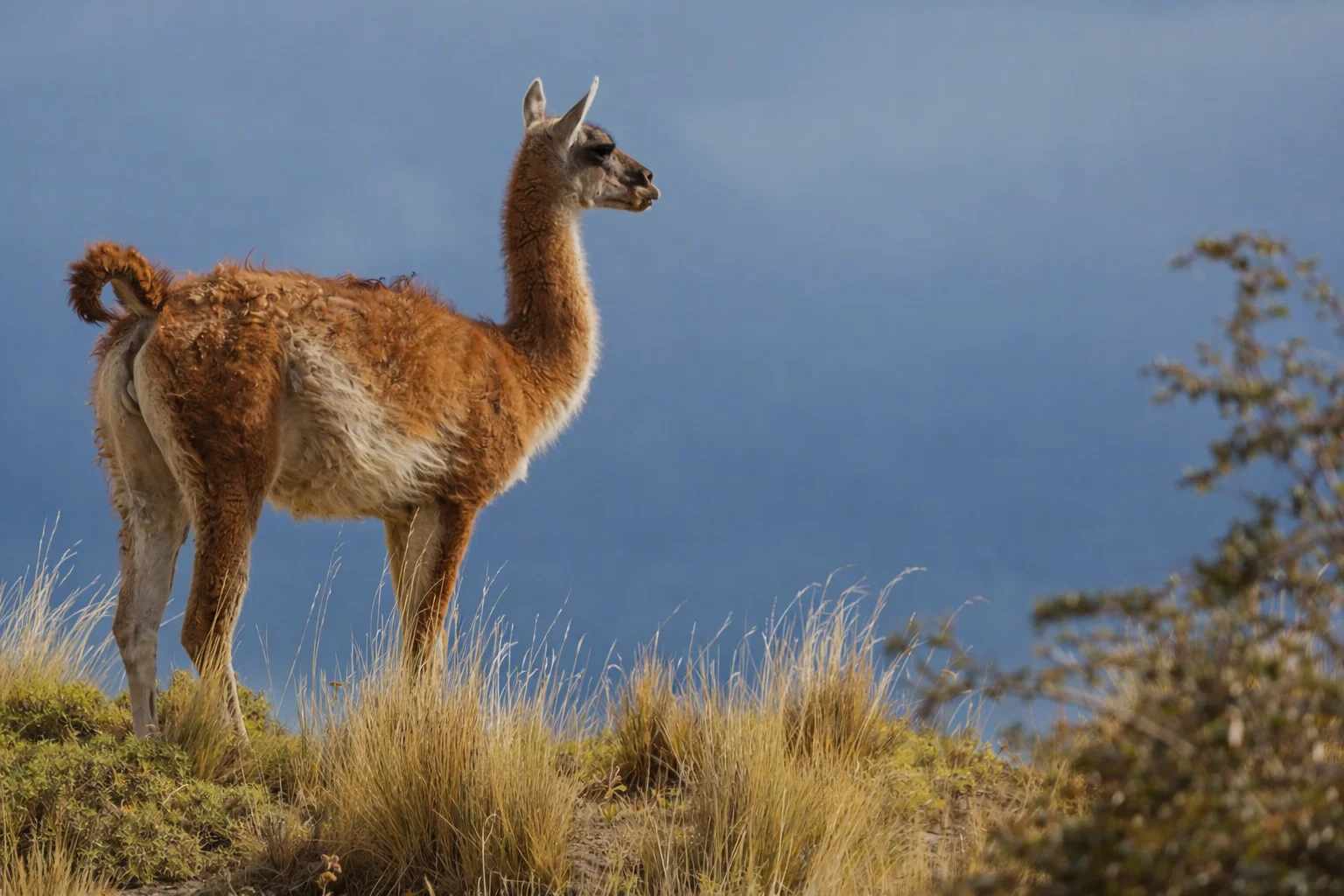
Vicuña in the Andean Heights
Did you know…?
The vicuña is on Peru’s national coat of arms. Its population recovered thanks to strict protection measures, and today it’s possible to see it in the wild if you have patience and binoculars.
Guanaco: The wild relative of camelids
The guanaco is least common on routes near Cusco, but inhabits wider Andean areas. It’s the wild ancestor of the llama.
How to identify it from your bike:
Similar to llama but more streamlined, uniform light brown with grayish face and slender ears. It’s very fast (can run up to 34 mph/55 km/h) and lives in wild state.
Where to see them on MTB routes:
More frequent in southern Peru, toward Puno and the altiplano, on multi-day routes crossing the Collao plateau.
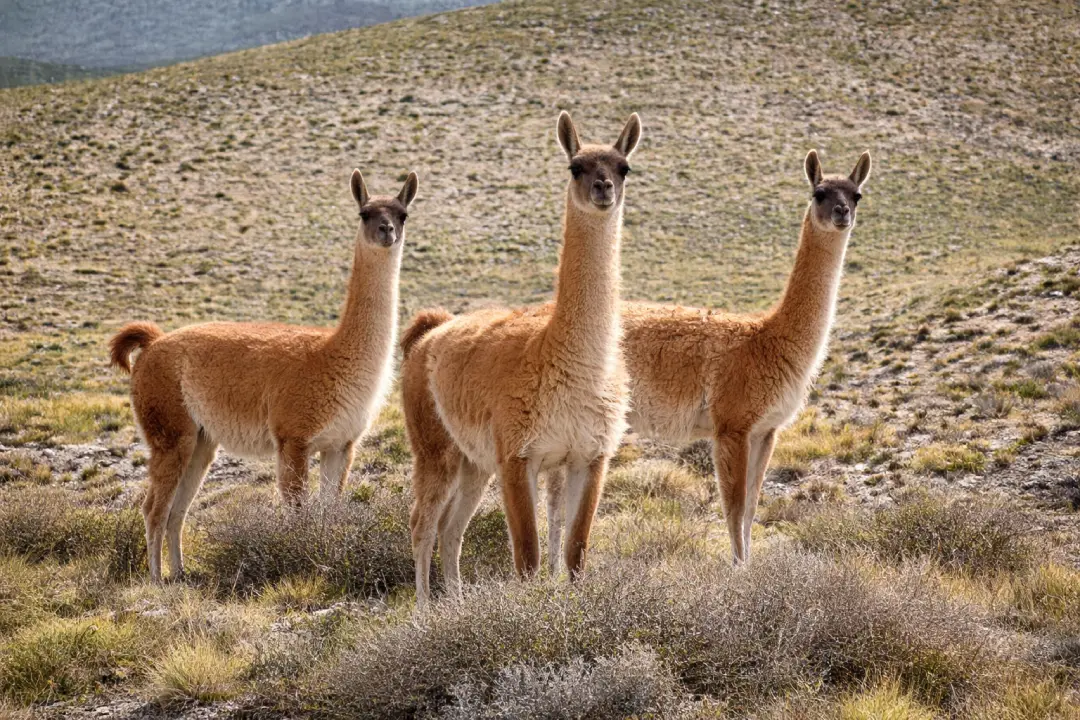
Guanacos in Sacred Valley
Best MTB routes for wildlife sightings
| Route | Probable animals | Sighting type |
| Lares | Alpacas, vicuñas (occasional) | Herds grazing on high Andean pampas |
| Maras – Moray | Llamas, alpacas | Next to salt mines and agricultural terraces |
| Abra Málaga (Inca Jungle) | Condors (possible), llamas | Gliding over canyons |
| Chinchero – Urquillos | Llamas, alpacas | Grazing areas during descent |
| Southern Valley routes (Radar) | Vicuñas (occasional), alpacas | High mountain with Ausangate views |
| Cusco – Lake Titicaca | Guanacos, vicuñas, alpacas | Extensive puna and altiplano areas |
How to observe wildlife responsibly from your bike
Seeing Andean animals from your bike is a privilege, but carries responsibility. Here are practical recommendations so the experience is pleasant for both you and them.
| Recommendation | What you should do |
| Distance and speed | When approaching a group of animals, decrease speed. Passing quickly can stress them and make them flee uncontrollably or cross the trail suddenly. If animal lifts head and stares at you, you’re too close or advancing too fast. Stop, wait or continue at slow pace. |
| Never chase them | Even if you want to get close for a photo, chasing wild or semi-wild animals is considered harassment. Vicuñas, especially, can suffer great stress if feeling cornered. Best is stopping at safe distance, turning off music if carrying speaker and waiting calmly. Often, if you remain still, they approach out of curiosity. |
| Don’t feed them | Human food can harm them. Additionally, if they get used to receiving food, they can become dependent or aggressive. |
| Caution with community dogs | In many Andean communities there are dogs accompanying herds and they’re usually territorial. If you see them near animals, reduce speed and pass calmly. Avoid challenging them with eye contact, as they could run after your bike. |
| Best time of day | Andean animals are usually more active in morning and at sunset. During midday, when sun is strongest, they usually rest. If you want to increase your sighting chances, plan your routes to pass through grazing areas at those times. |
| Carry light binoculars | Small binoculars fitting in your hydration pack can make a big difference. They allow you to observe from distance without getting too close or generating stress in animals. |
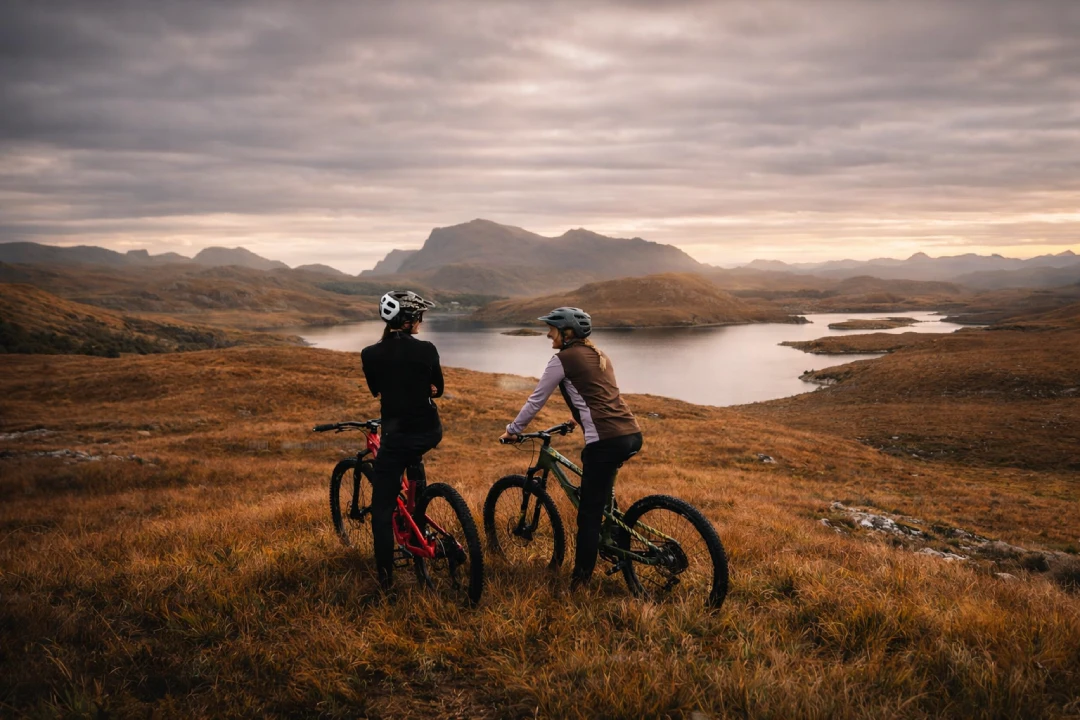
Animals you can see doing MTB in Cusco
Common mistakes riders make when they see wildlife on the trail
- Riding too fast past grazing animals
- Trying to get too close for photos
- Feeding camelids
- Assuming all dogs are friendly
- Panicking when herd animals block the trail
Thousands of travelers have trusted Peru Biking Tours to live unforgettable experiences in the Andes.
Your safety first
Routes adapted to your level, expert local guides and full support at all times.
Without worrying about anything
We take care of all the logistics so you can just focus on enjoying the scenery.
Authentic routes in Cusco
Experience the Sacred Valley in a real way, at your own pace, with access to the best trails.
Quality equipment
High-end enduro bikes, helmets and protective gear for all levels.
Plan your MTB experience in Cusco
MTB Day Tours in Cusco
If you want to explore MTB routes with the right logistics, local support, and suitable trail selection, check out our MTB Day Tours in Cusco.
E-bikes Tours
Curious how altitude impacts your e-bike in Cusco? Our E-Bike tours are designed for riders who want authentic enduro adventures in the Andes.


