


Quick Answer
Train for a bike tour in Cusco so you can handle several hours of riding with climbs, descents, and uneven terrain while staying in control and actually enjoying the route. To check your fitness before the trip, ask yourself if you can walk or ride for a few hours without feeling wiped out, how well you recover afterward, and how comfortable you are on rough ground. This helps you choose the right tour, know how much to train, and avoid pushing too hard, especially at high altitude.
When you take a biking tour in Cusco, you are not only riding trails, you are riding through classic Andean scenery. Along the way you cross valleys, rural roads, local communities, and archaeological areas that let you experience the region in a close and authentic way. Every route comes with a different level of effort, terrain, and total time on the bike, so it helps to know what kind of biking tour you are choosing and how to train for a bike tour. In this guide, you will learn the key points to enjoy your ride with more confidence.
Preparing to ride Cusco’s trails? Our day tours are designed for riders who want to train smart, build endurance, and enjoy authentic enduro adventures in the Andes with confidence.
What a Biking Tour in Cusco is?
A biking tour is a guided travel experience where you ride specific routes by bike, combining physical activity, outdoor exploration, and cultural or natural highlights. Tours can be adapted to different skill levels and riding styles.
Cusco offers a wide range of routes where you can enjoy this activity. The stops you make along the way are part of what makes it special, since many rides include beautiful scenery and, in some cases, archaeological areas.
You can do a biking tour on:
- Paved routes or rural roads.
- Mountain areas or valleys.
- Urban, natural, or mixed settings.
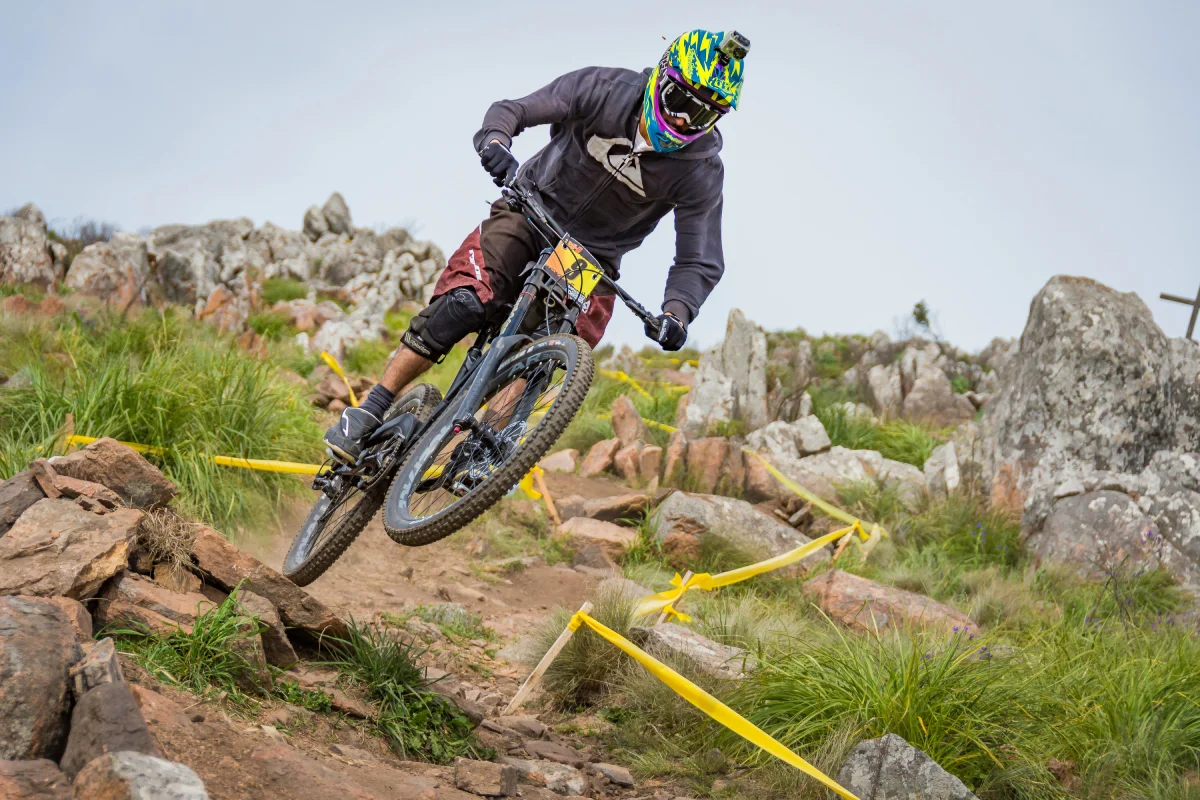
The scene feels adventurous and deeply connected to nature.

A full face helmet and protective gear highlight a focus on safety and performance.
Identify the Type of Biking Tour You Are Doing
Not every route in Cusco feels the same. That is why you should train for a bike tour that matches the experience you actually want.
One Day Tours vs Multi Day Tours
| Category | One day tour | Multi day tour |
| Duration | A single day | Two or more consecutive days |
| Physical effort | Concentrated in one day | Spread across multiple days |
| Endurance level | Moderate | Higher cumulative endurance |

Sunlight cutting through the clouds adds contrast and depth to the scene.
How to Train for a Bike Tour
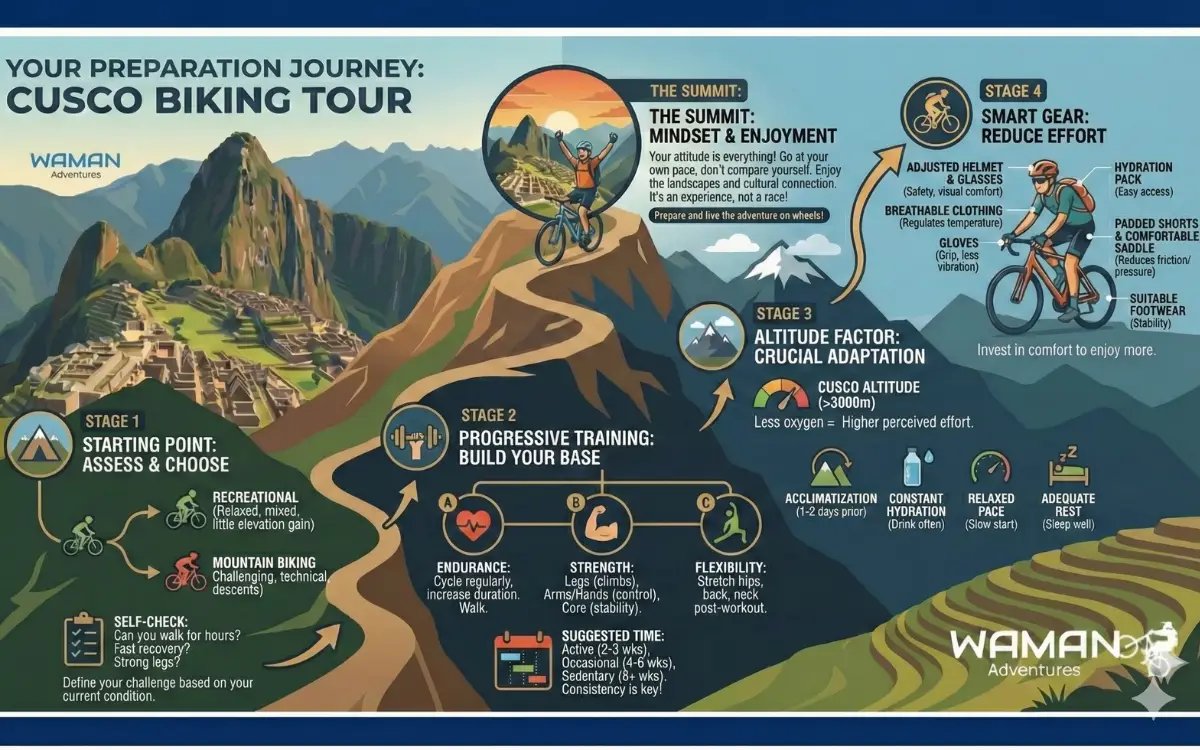
Training means preparing your body to ride for several hours, handle steady movement, and manage gentle climbs and descents. Start by focusing on the basics below.
Remember:
To train for a bike tour at altitude, keep your pace calm, plan for one or two acclimatization days, and stay well hydrated.
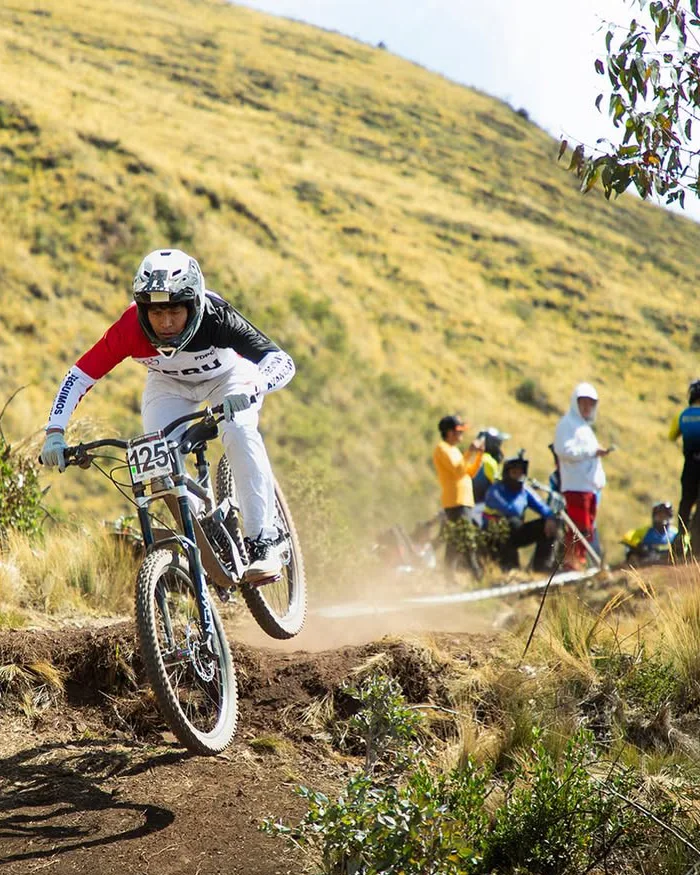
A cyclist descends fast on a dirt trail.
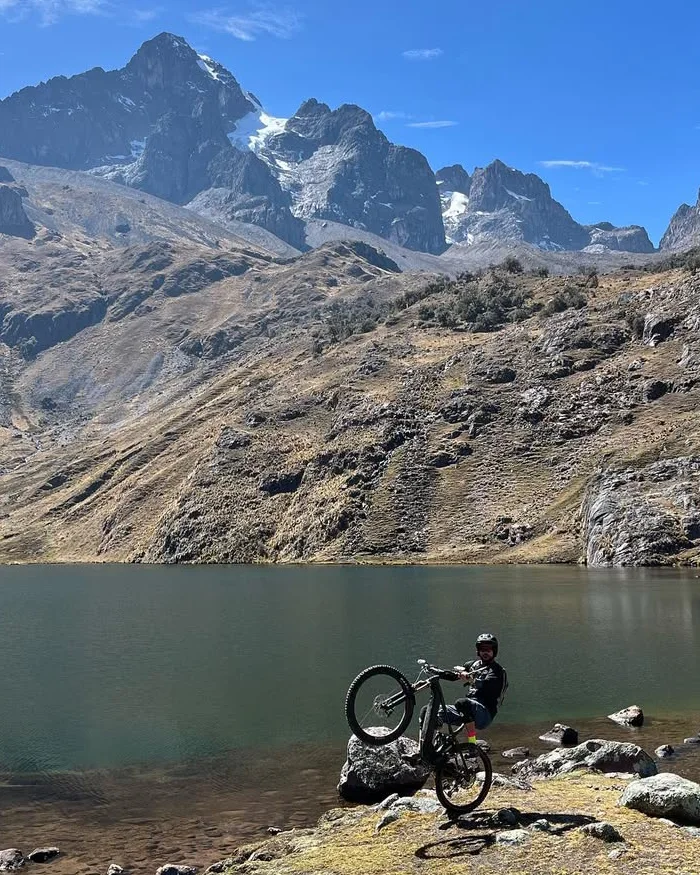
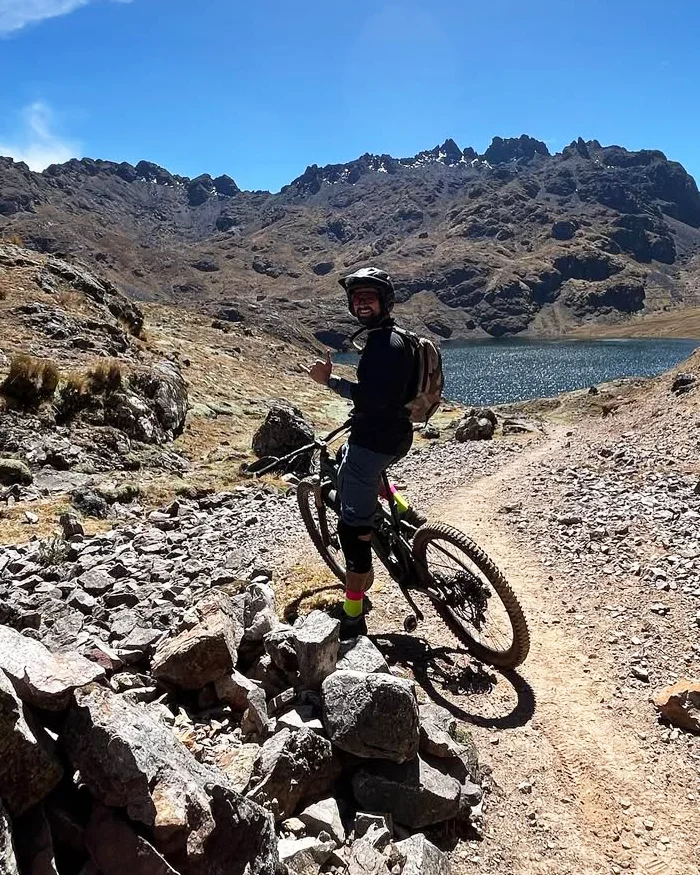
A mountain biking moment beside a high mountain lagoon.
Check Your Fitness Honestly Before You Travel
Before you start training, take an honest look at your current fitness. This helps you estimate how much preparation time you need for your biking tour.
1. Ask yourself these questions
- Can I walk for several hours without feeling wiped out?
- Do I recover well after moderate activity?
- Are my legs used to repeated effort?
2. Based on your answers
- If you answer yes to most of them, you already have a solid base and mainly need to build endurance.
- If you answer no to several, do not rule the tour out. You will simply need more time to prepare.
Why this matters
- It helps you choose the right type of biking tour, avoid overdoing it, and enjoy the experience with more safety and confidence.
Did you know?
Hydrating well starting the night before can reduce how tired you feel on longer routes.
Training for Bike Tours at Altitude
When to Start Training
Warning:
If you feel strong dizziness, nausea, or an intense headache, slow down and tell your guide.
Gear That Reduces Physical Strain During the Tour
Items that truly reduce effort and discomfort on a bike tour, without exaggeration:
More efficient pedaling and less load on knees, back, and neck.
Helps prevent knee and hip pain and reduces wasted effort.
Less pressure and better comfort on longer rides.
Less friction and vibration, fewer hot spots.
Better grip and less vibration, helps reduce numbness.
More stability while pedaling and less foot fatigue.
Comfort and safety without pressure points.
Better temperature control and less perceived fatigue.
Less eye strain and more protection from sun, wind, and dust.
Drinking often and easily helps prevent early fatigue.

A helmet and small pack show smart preparation for demanding terrain.
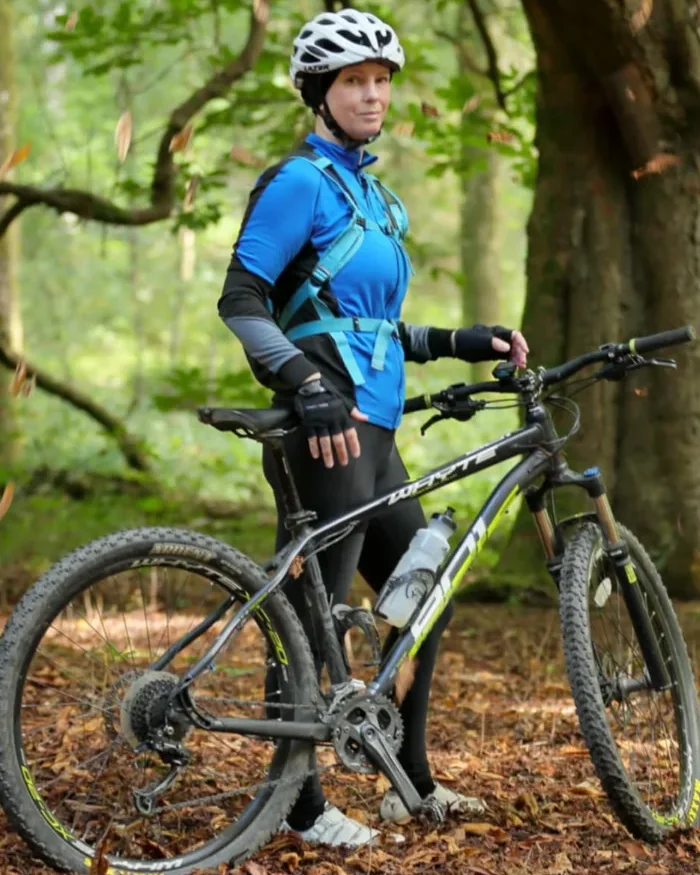
A rider with helmet, gloves, and a hydration pack, ready for a mountain bike route.
Mental Preparation: Pace, Confidence, and Enjoyment
- Learn to ride at your own pace.
- Do not compare yourself to others.
- Enjoy the scenery and the experience.
- A biking tour is not a competition, it is an experience.
- Final tip: prepare calmly and stay consistent.
- You do not need to be an athlete or an expert cyclist. With gradual preparation, a positive attitude, and realistic expectations, a biking tour can become one of the best memories of your trip.
Thousands of travelers have trusted Peru Biking Tours to live unforgettable experiences in the Andes.
Your safety first
Routes adapted to your level, expert local guides and full support at all times.
Without worrying about anything
We take care of all the logistics so you can just focus on enjoying the scenery.
Authentic routes in Cusco
Experience the Sacred Valley in a real way, at your own pace, with access to the best trails.
Quality equipment
High-end enduro bikes, helmets and protective gear for all levels.
Plan your MTB experience in Cusco
MTB Day Tours in Cusco
If you want to explore MTB routes with the right logistics, local support, and suitable trail selection, check out our MTB Day Tours in Cusco.
Multi-Day MTB Tours
For more comprehensive experiences that connect several valleys and high mountain routes, discover our multi-day MTB Tours.


