


Quick Answer:
Knowing what to check on your rental bike before riding in Cusco, do a 2 minute safety check: brakes (pad life, lever feel, rotor condition), tire pressure (match your weight and tubeless vs tube), shifting (quiet and precise through all gears), and suspension basics (sag and dropper post). Then do a 50 m (164 ft) test ride and recheck anything that feels off before leaving the shop.
Renting a bike in Cusco is a practical option for pedaling mountain routes without having to carry yours. But watch out, before launching downhill, it’s fundamental to know what should you check on your rental bike before riding. A quick inspection can make the difference between a safe experience and a setback on the trail.
Ready to ride Cusco’s trails on a rental bike? Our day tours are designed for riders who want enduro adventures in the Andes always safer and smoother when you follow a proper MTB safety checklist before hitting the descent.
2 minutes rental bike checklist (before you leave the shop)
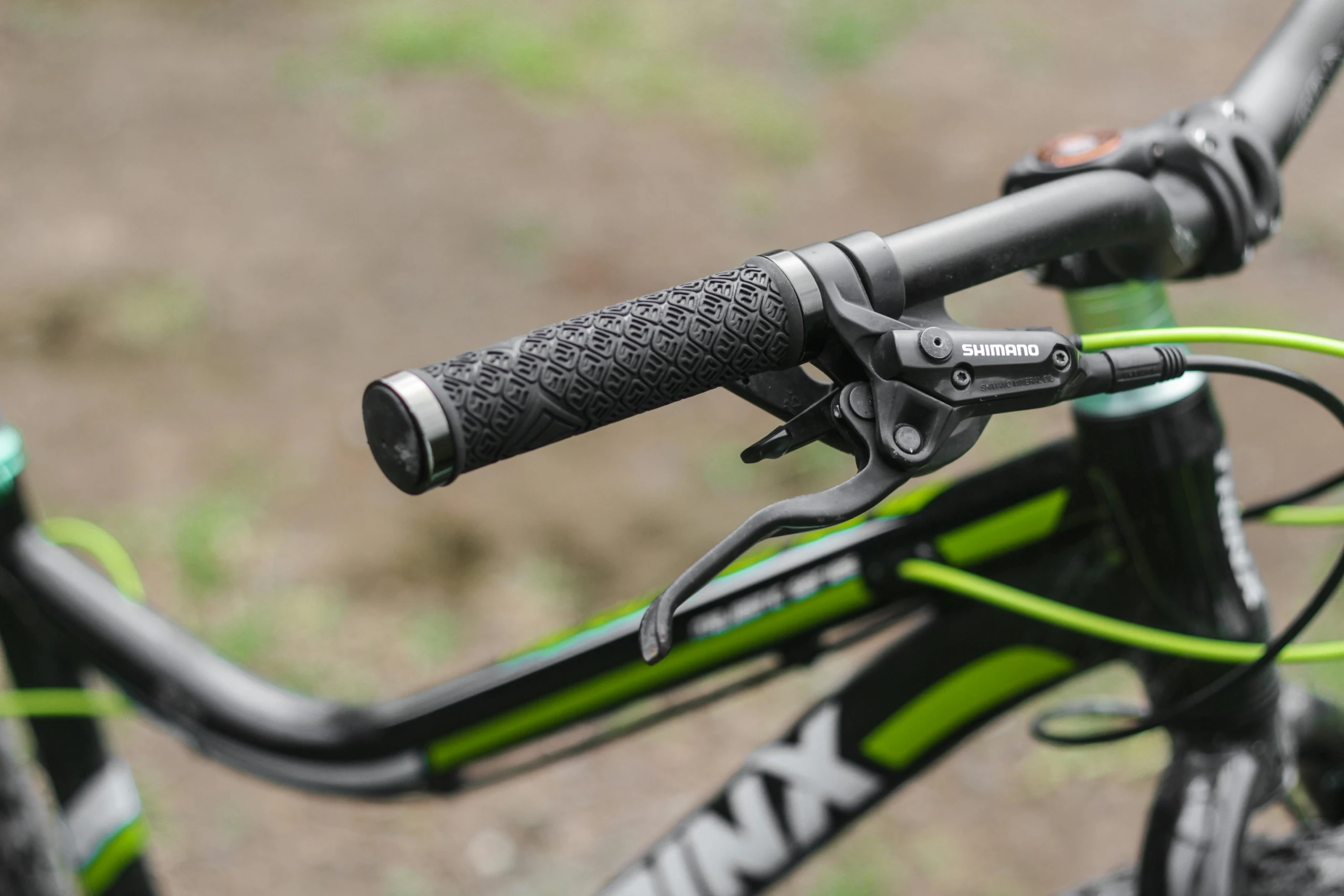
- Brakes: pads have material left, levers don’t pull to the bar, rotors aren’t bent or blue from overheating.
- Tires: tread is defined, sidewalls have no cuts, pressure matches your weight (ask for a gauge).
- Shifting: run through all gears—no skipping, no loud clicking, no chain drops.
- Suspension + fit: shock/fork air set for your weight, dropper works smoothly, saddle height feels correct.
- Fasteners: quick bounce test—no clanking; wheels are properly secured.
- Test ride: do a 50 m (164 ft) lap: brake hard, shift under light load, listen for rubbing.
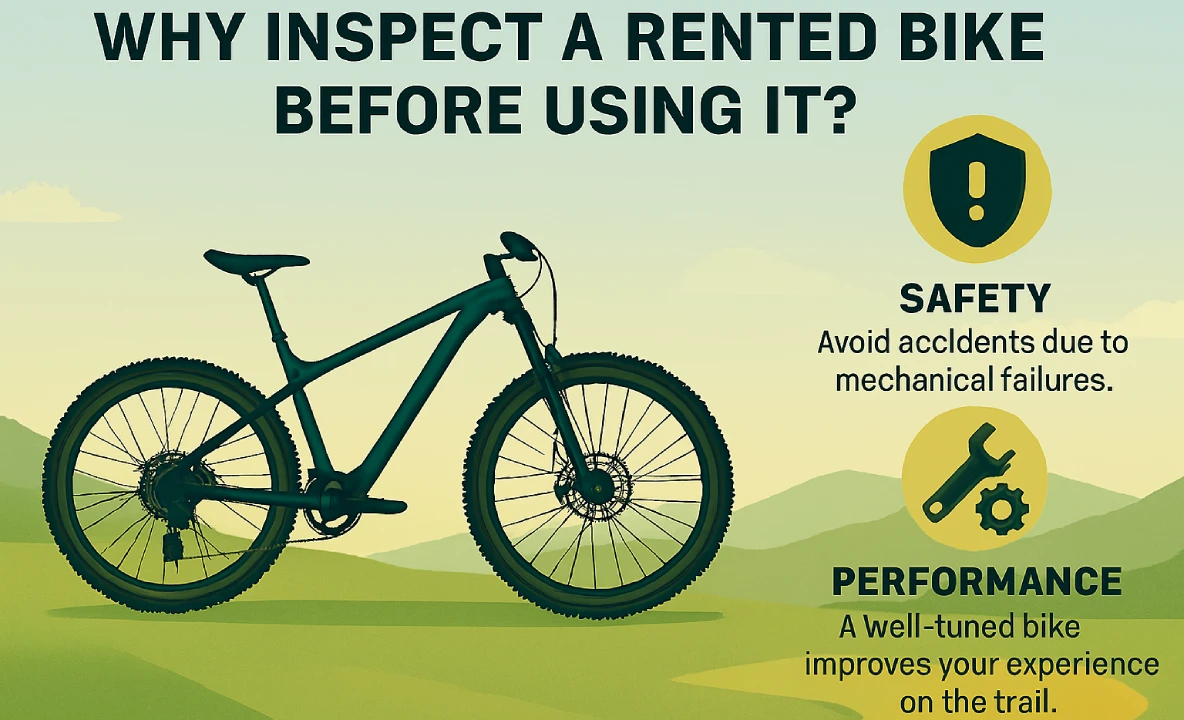
Why inspect a rental bike before using it?
- A typical rental bike in Cusco accumulates 15-25 outings monthly in high season. That means 15-25 different cyclists with variable skill levels, different weights, and riding styles ranging from careful to… not so much.
- Premium operators have mechanics who check bikes after each outing. But even with the best protocol, small things go unnoticed: a brake cable starting to fray, tire pressure that dropped 5 PSI overnight.
- If you identify serious problems before leaving the rental shop, you have every right and negotiating power to request a different bike. Once you’ve accepted the bike and left, the operator can argue the damage occurred during your use and potentially charge you for it.
What should you check on your rental bike before hitting the road?
“The bike they gave me in Cusco technically worked, but nobody verified tire pressure (they were at 18 PSI when they should be at 28-30 PSI for my weight), rear derailleur was misadjusted and skipped on climbs, and I discovered mid-route the dropper post didn’t return on its own I had to pull it manually. All this was detectable in 5 minutes of inspection. Now I always check everything before accepting the bike.”
1. Bike brake inspection
On mountain routes descents can last more than 40 continuous minutes, generating extreme heat on discs. Brakes are the only component on your bike where failure equals risk of serious injury or death. That’s why this inspection is non-negotiable.
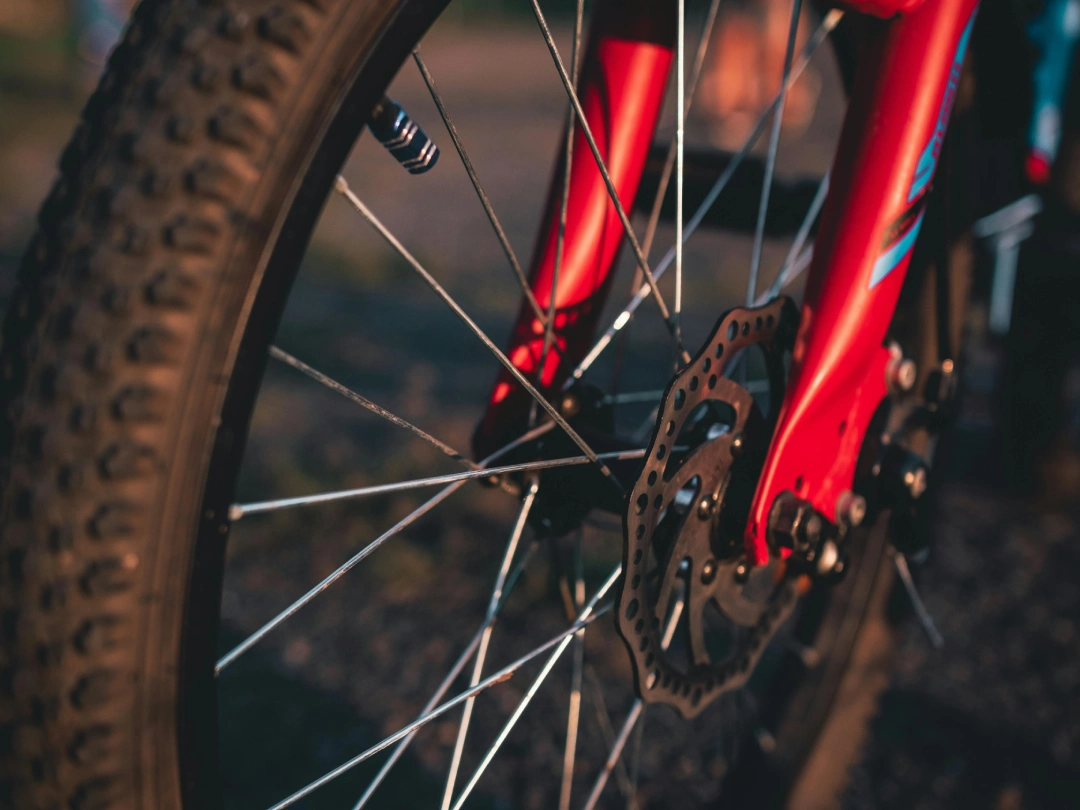
Disc brakes: the first thing to check before a ride.
Tip:
That pads aren’t worn, brake responds when pressing lever, and there are no metallic noises.
2. Correct tire pressure: The adjustment everyone ignores
Tire pressure affects absolutely everything: grip, comfort, control, and flat risk. That’s why tire pressure directly affects traction and comfort.
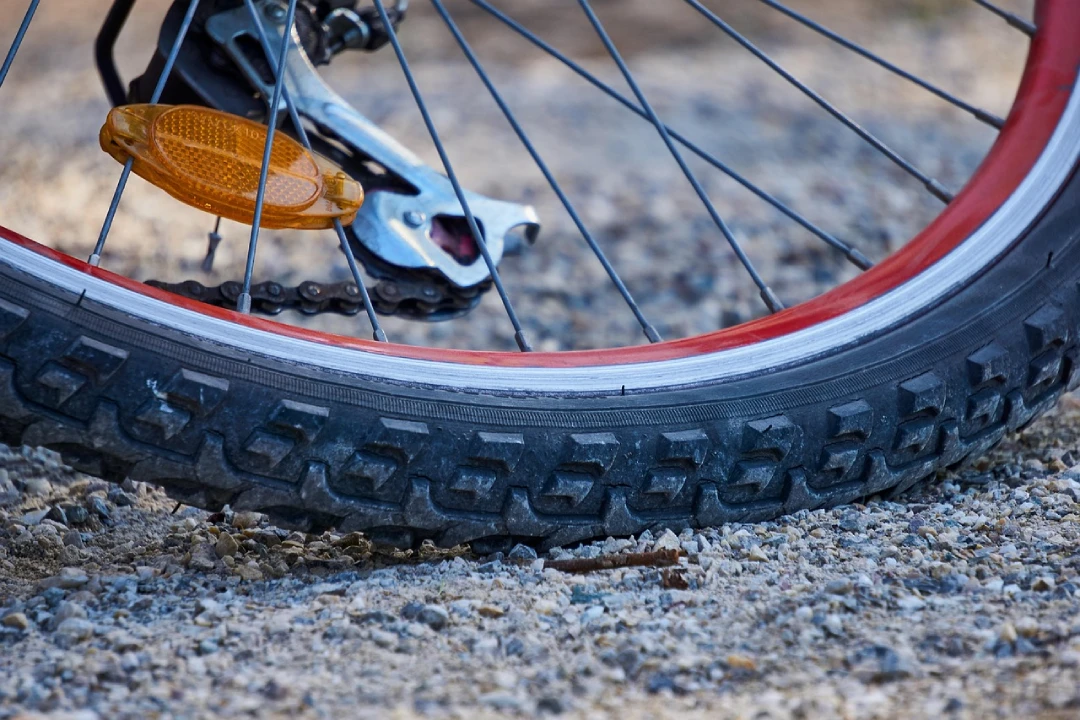
Tire pressure matters
Tip:
That tires aren’t too hard or too soft.
3. Drivetrain and shifting: Climbing efficiency
Nothing ruins the “flow” more than a skipping chain or constant metallic noises.
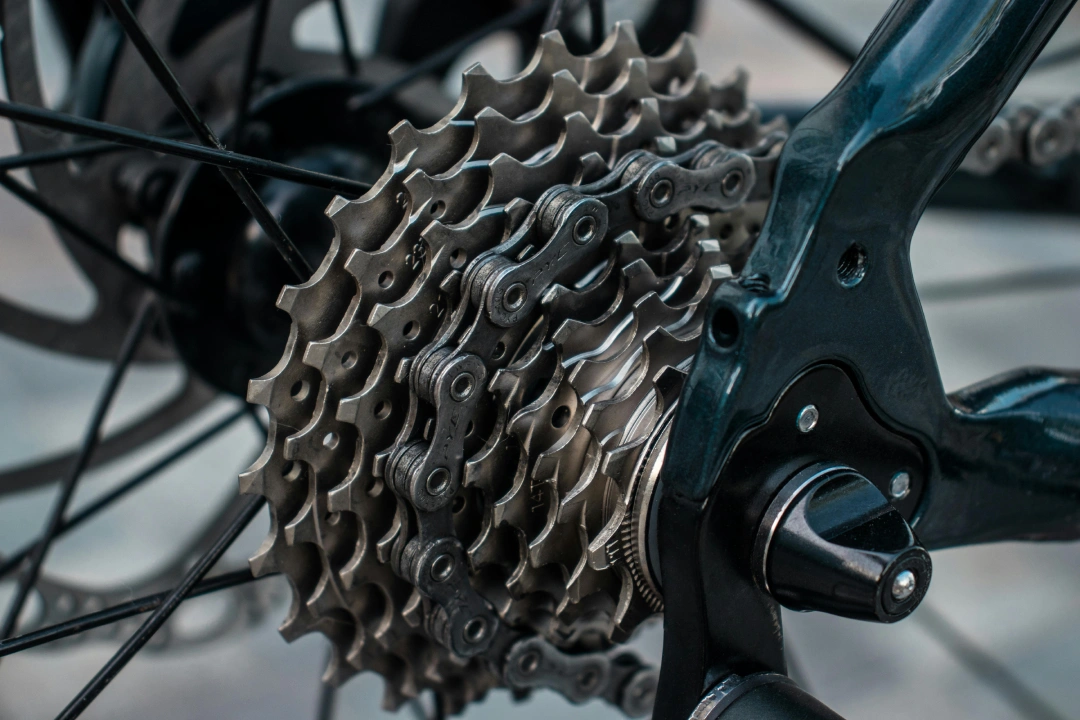
A clean drivetrain means smoother shifting.
Tip:
That chain is lubricated, shifting works without skipping, and there are no strange noises.
4. Suspension and contact points
If renting a full suspension bike, it should work for you, not against you.
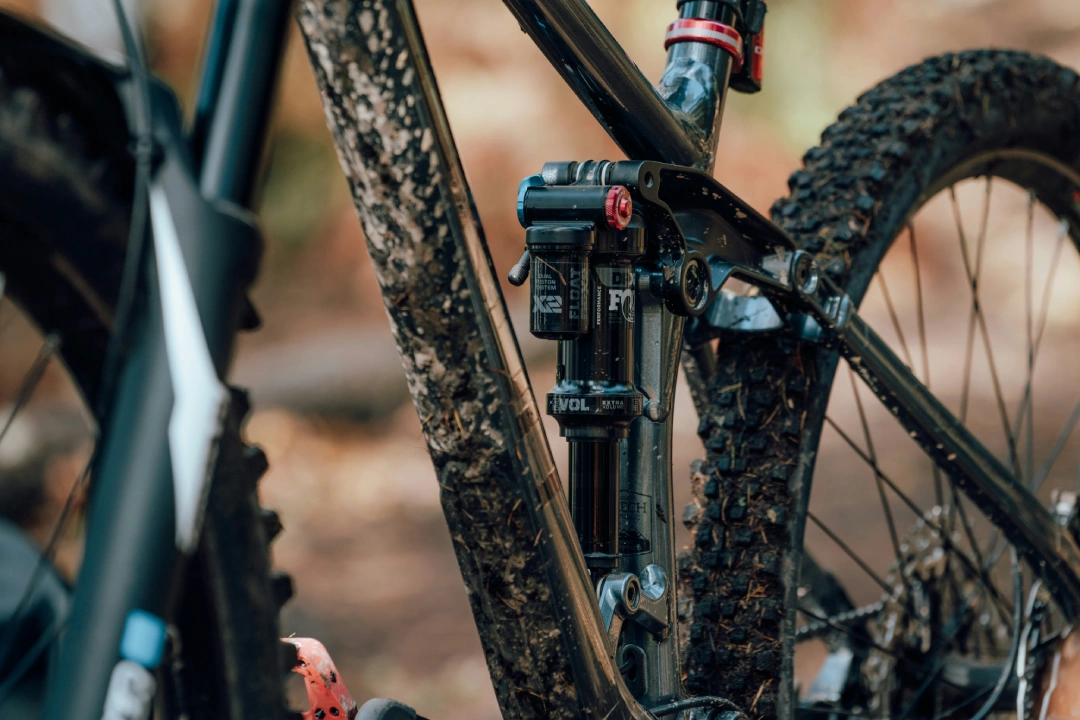
Suspension setup matters
Tip:
If you find significant play in any component, report it. Some are 2 minute adjustments; others indicate wear requiring new parts.
Specific tips for renting bike in Cusco
If renting bike in Cusco, keep in mind shops are usually maxed out with work. Don’t feel bad about being meticulous. A good operator will appreciate you know what you’re talking about.
- Take a photo: Photograph any scratches or cosmetic damage beforehand to avoid being charged on return.
- Emergency kit: Make sure rental includes: spare tube, levers, multitool, and pump.
- The saddle: If you have a favorite saddle at home and will pedal several days, bring it! Your body will thank you.
Common mistakes (and how to avoid them)
- Skipping the pressure check: “Feels fine” is not a measurement. Always use a gauge.
- Trusting brakes without testing: squeeze hard—if the lever feels spongy, ask for a bleed.
- Accepting noise as normal: loud clicks or creaks usually mean an adjustment is needed.
- No short test ride: most issues show up within 50 m (164 ft).
Practical tips for Cusco terrain
- Dry + dusty trails: prefer clean drivetrain and appropriate lube (dust-friendly).
- Long descents: brake heat is real—start with good pad life and straight rotors.
- Altitude + fatigue: reduce risk by prioritizing brake and tire setup before anything else.
Rent your bike with Peru Biking Tours
We know exploring Cusco on your own is exciting, but doing it with proper gear makes the difference. At Peru Biking Tours, we not only offer high end bikes in perfect condition with up to date maintenance to guarantee your safety on every pedal stroke; we also provide the backup and local knowledge you need. Whether you’re looking to rent an MTB for a solo adventure or prefer joining one of our guided tours to discover the city’s hidden gems and surroundings, we’re here to make sure your only worry is enjoying the Andean landscape. Come to our shop and start your wheeled adventure today!
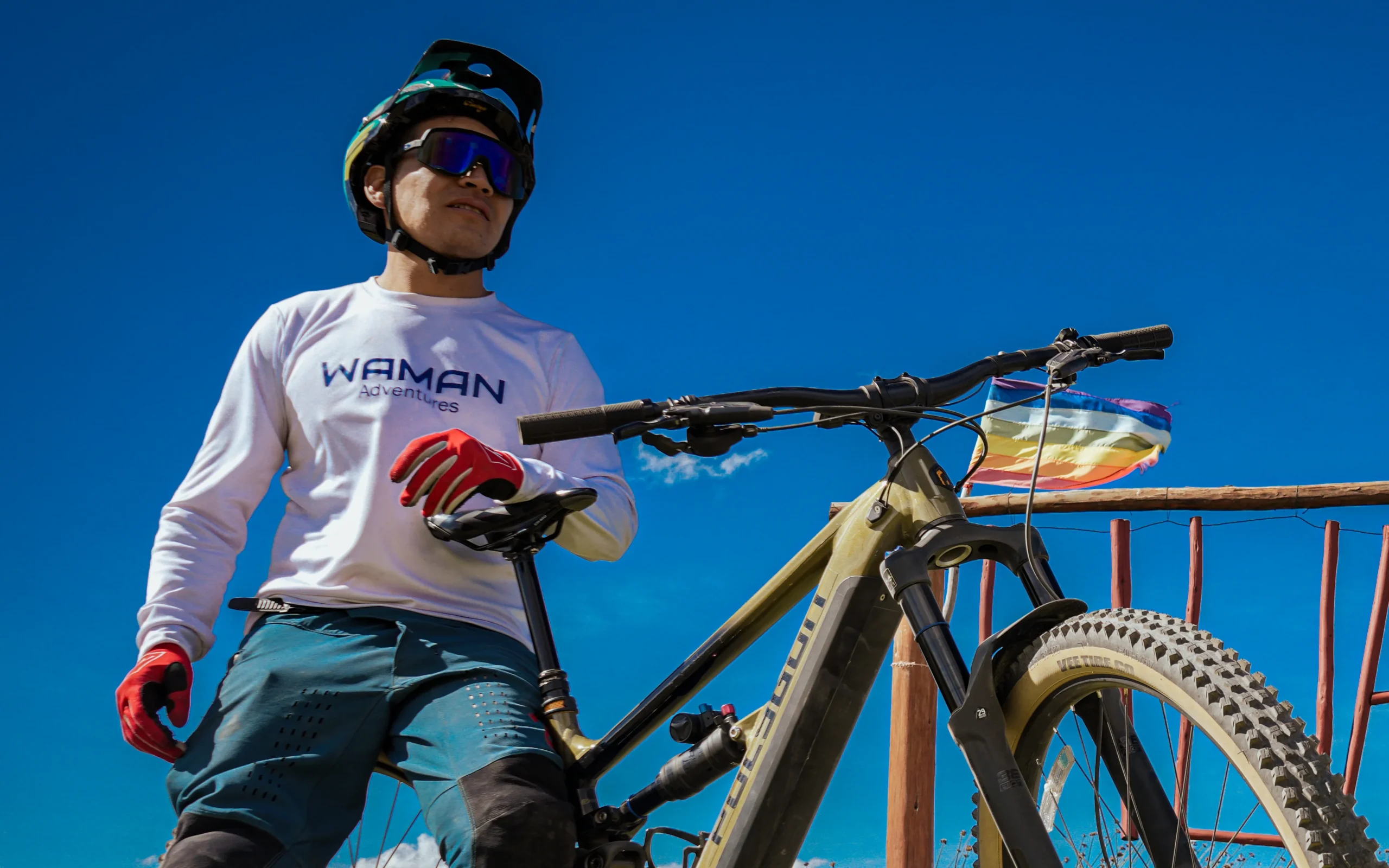
Catch your breath, take in the Andes, then ride on.
Thousands of travelers have trusted Peru Biking Tours to live unforgettable experiences in the Andes.
Your safety first
Routes adapted to your level, expert local guides and full support at all times.
Without worrying about anything
We take care of all the logistics so you can just focus on enjoying the scenery.
Authentic routes in Cusco
Experience the Sacred Valley in a real way, at your own pace, with access to the best trails.
Quality equipment
High-end enduro bikes, helmets and protective gear for all levels.
Plan your MTB experience in Cusco
MTB Day Tours in Cusco
If you want to explore MTB routes with the right logistics, local support, and suitable trail selection, check out our MTB Day Tours in Cusco.
Multi-Day MTB Tours
For more comprehensive experiences that connect several valleys and high mountain routes, discover our multi-day MTB Tours.


