


Quick answer:
Acclimatization for cyclists in Cusco typically takes between 1 and 3 days in its initial phase, although many riders feel more confident after 3 to 5 days. During this time, it’s best to rest, stay well hydrated, take easy walks, and avoid strenuous activity before tackling challenging routes.
If you are coming to ride in the Andes, understanding acclimatization for cyclists in Cusco is important. You should know that Cusco sits at about 11,152 feet (3,400 meters), so it is normal for your body to need time to adapt to the lower oxygen levels. In this blog, you will learn how acclimatization works for cyclists in Cusco, helping you plan your first days better, reduce discomfort, and enjoy cycling more safely.
Riding in Cusco means altitude. Learn the essentials of acclimatization for cyclists and enjoy your MTB routes with more safety and energy. Discover our Day Tours in Cusco.
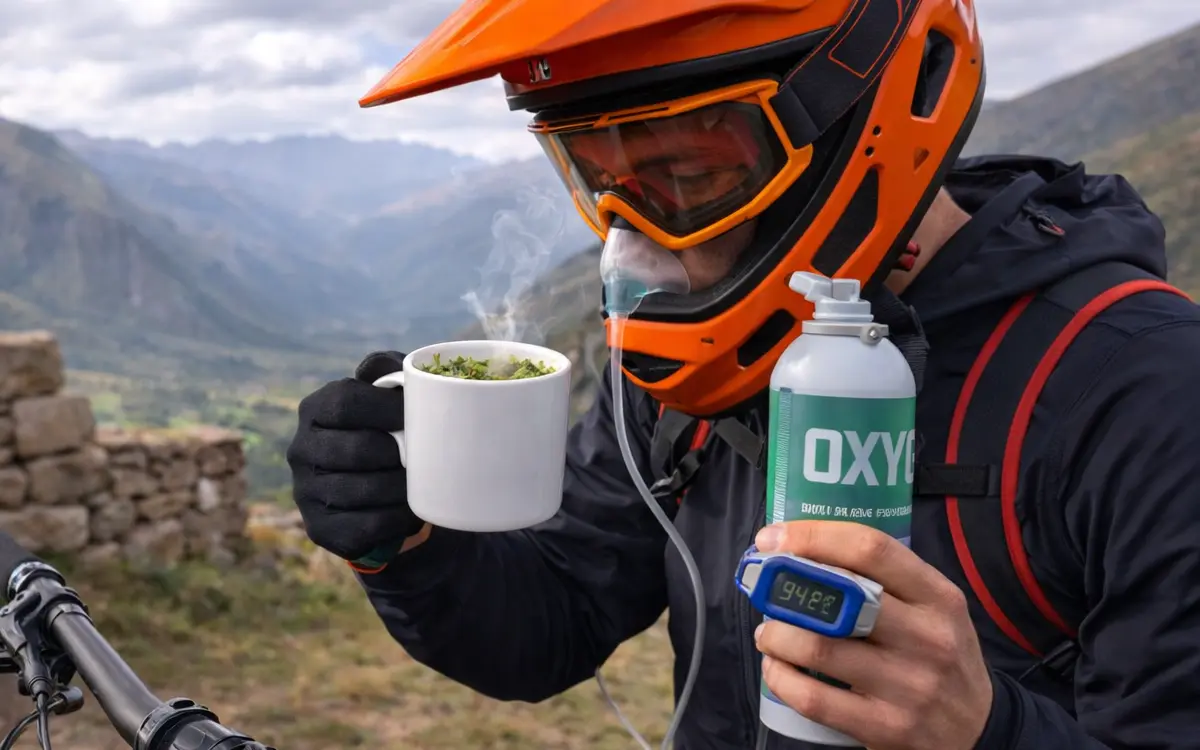
The Andean landscape in the background, with deep valleys and expansive mountains, clearly reflects the challenge of riding at altitude.
How altitude affects cycling
Reference altitude
Cusco sits at about 11,152 ft / 3,400 m
First goal
Adapt before pushing your body hard
First days
Light activity, quality rest, and hydration
Common mistake
Trying to ride hard too soon
At higher altitude, the air contains less oxygen with every breath. That means your body has to work harder to deliver oxygen to your muscles during exercise. During the first few days, it is normal to notice changes in your physical performance, such as:
- Lower endurance, especially on long climbs.
- Higher heart rate to maintain the same effort.
- Faster or deeper breathing.
- Greater fatigue while riding.
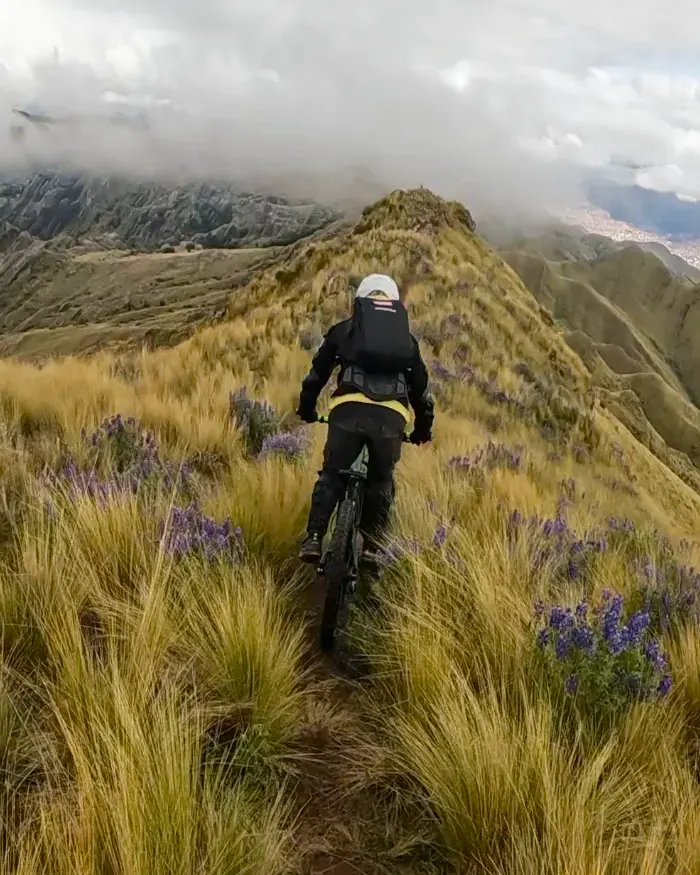
Physical effort becomes more intense because of the lower oxygen levels at these elevations.

In the distance, populated areas can be seen, giving context to the scale of the surroundings.
Common symptoms when arriving in Cusco
During this process, known as acclimatization, you may experience mild symptoms related to acute mountain sickness. The most common are:
- Headache (the most common symptom).
- Fatigue or tiredness.
- Mild dizziness or feeling unsteady.
- Shortness of breath during effort.
- Faster breathing than usual.
- Difficulty sleeping or light sleep.
- Loss of appetite.
- Mild nausea.
- General weakness.
- Faster heart rate.
- Pressure in the head.
- Greater sensitivity to physical effort.
- Mild dehydration.
How long acclimatization takes
Most travelers need between 1 and 3 days to begin adapting to the altitude in Cusco, although this varies depending on your fitness level, the altitude you came from, and how quickly you arrived.
Estimated adaptation timeline
Expert tip:
Eat light meals and prioritize carbohydrates during the first few days.
What to do during your first days
These activities help keep your body moving without creating too much cardiovascular strain, which supports acclimatization for cyclists in Cusco. Good options during your first days include:
Walk through Cusco’s historic center
A relaxed walk through the city center lets you stay active while getting used to the altitude. You can explore iconic places such as Plaza de Armas, colonial streets, and small viewpoints.
Visit the San Blas neighborhood
San Blas is one of Cusco’s most traditional and artistic neighborhoods. Walking its cobblestone streets, visiting art galleries, or enjoying local cafés is a pleasant way to explore the city.
Explore local markets
Markets like San Pedro let you experience daily life in Cusco and try local fruits, fresh juices, or traditional dishes.
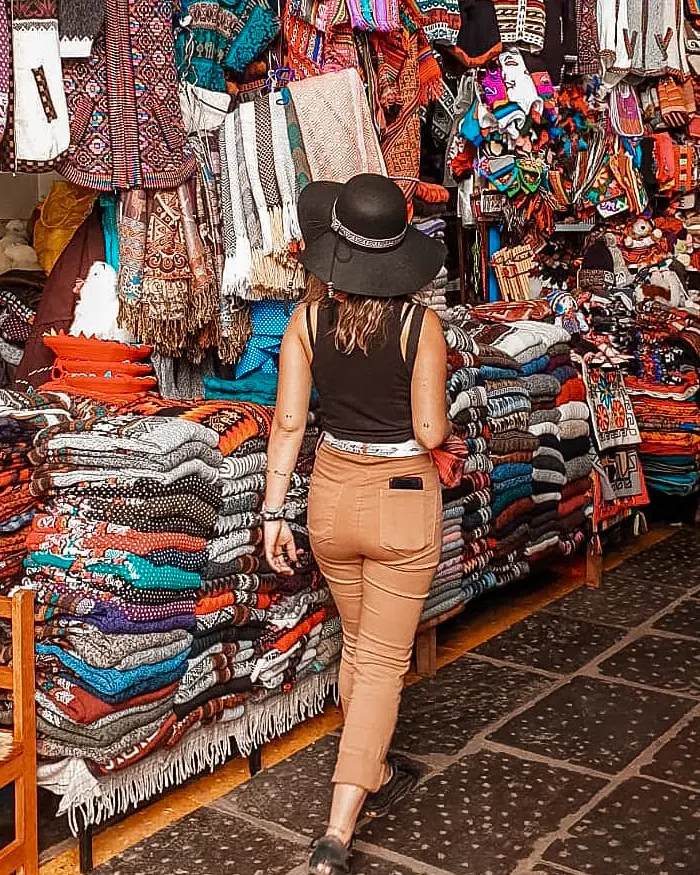
Walking through traditional markets is a key part of your acclimatization process.
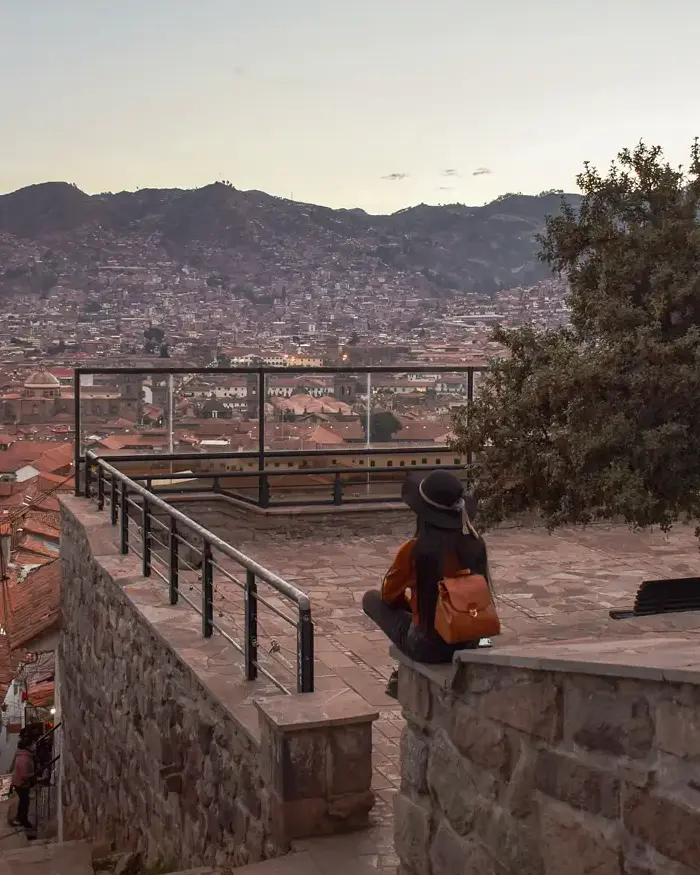
The soft late afternoon light creates a calm and contemplative atmosphere across the city.
Nutrition and hydration at altitude
When you are at altitude, such as Cusco at 11,152 feet (3,400 m), your body loses fluids faster because of the dry air and increased breathing rate.
Drink water frequently
You should not wait until you feel very thirsty. At altitude, the dry air encourages fluid loss, so the best strategy is to drink water consistently throughout the day.
Choose lighter meals
During the first few days, many people tolerate simple, easy to digest meals better than heavy or greasy foods. This helps avoid overloading your body while it adapts.
Prioritize carbohydrates
In the mountains, carbohydrates remain a primary energy source for your muscles and usually fit better into a practical diet for exertion at altitude.
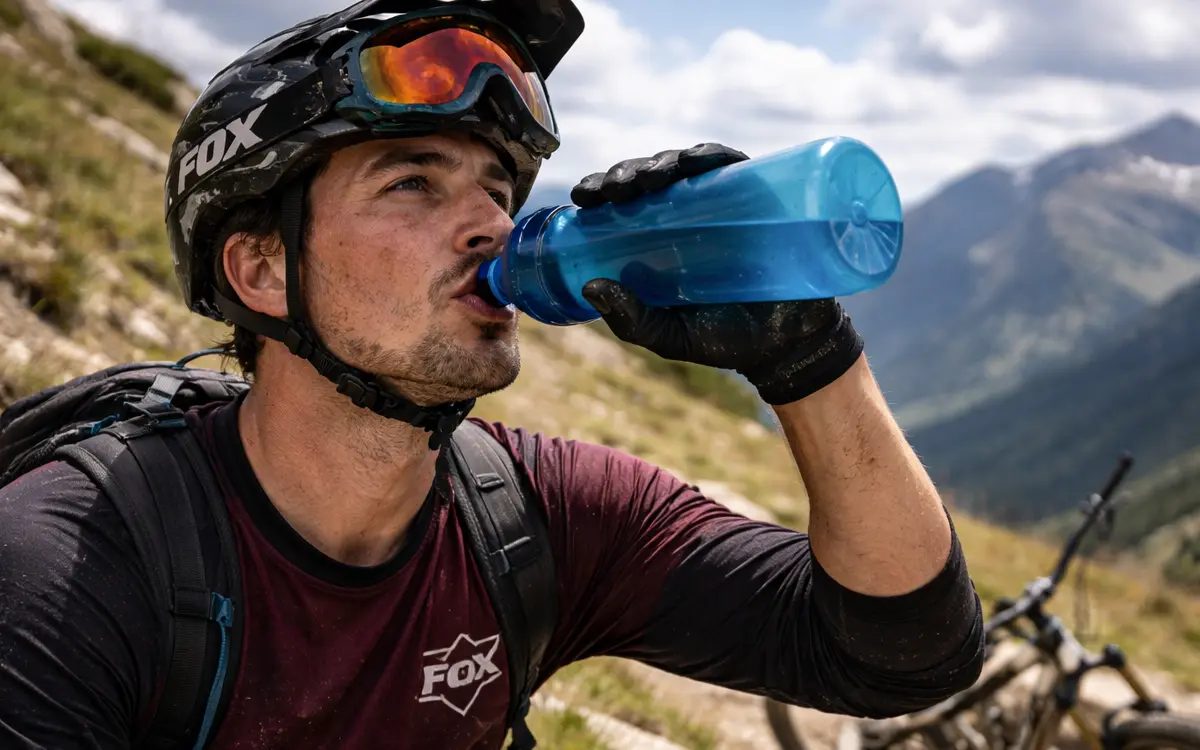
Ideal to take break in middle of mountain route to drink water.
When to start riding
When you arrive in Cusco, the best approach is to give your body time to adjust to the altitude before doing intense physical efforts. Mountain medicine specialists and organizations such as the Centers for Disease Control and Prevention (CDC) recommend avoiding hard exercise during the first 24 to 48 hours at altitudes above 9,840 feet (3,000 m).
For your first rides in Cusco, it is best to begin with routes that have these characteristics:
- Short rides, to avoid excessive fatigue
- Moderate pace, keeping your breathing comfortable
- Progressive elevation gain, avoiding very long climbs at first
- Half day duration instead of long outings
Did you know…?
Small efforts can feel much more intense during your first days in Cusco.
Recommended areas for your first rides
Some areas close to the city offer accessible terrain, open landscapes, and progressive elevation changes, making them ideal for your first bike rides while you continue adapting.
Yuncaypata
Yuncaypata is a rural area located a few miles from Cusco in the upper part of the city. It is known for quiet roads, dirt trails, and wide valley views.
Many local cyclists use this zone for training or short rides because it lets you pedal without going too far from the city.
Maras
The area of Maras, on the way toward the Sacred Valley, is known for open landscapes, agricultural fields, and gravel roads that are ideal for mountain biking or gravel riding.
Here, it is common to find routes with moderate climbs and gentle descents, allowing you to manage your effort more easily during your first days of adaptation.
Sacred Valley
The Sacred Valley of the Incas is one of the best areas to start riding while you are acclimatizing. In the valley, you will also find rural roads between Andean villages, agricultural trails, and gravel and mountain bike routes.
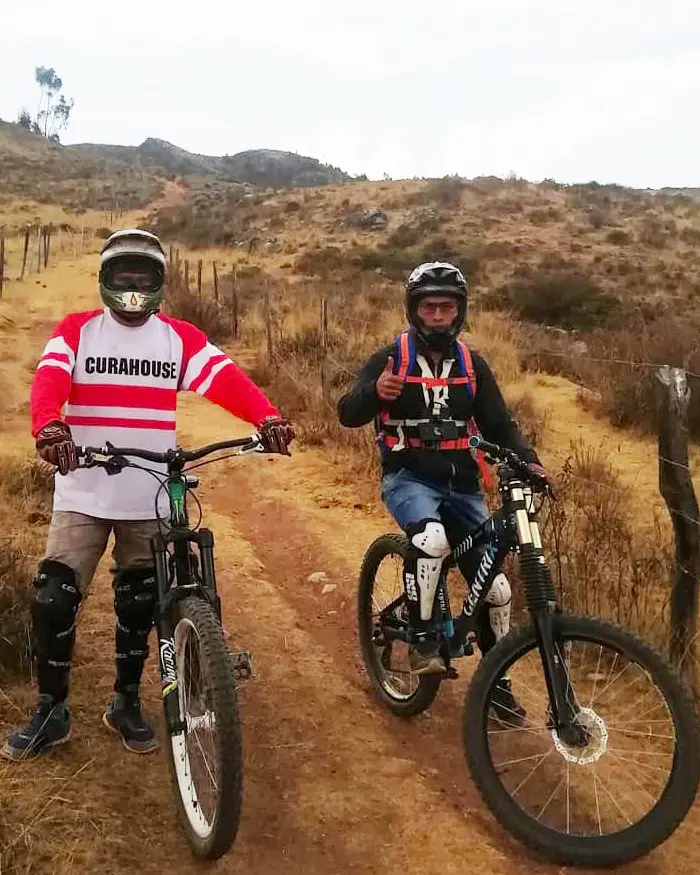
The narrow dusty trail reflects a natural, untouched environment typical of MTB in Cusco.
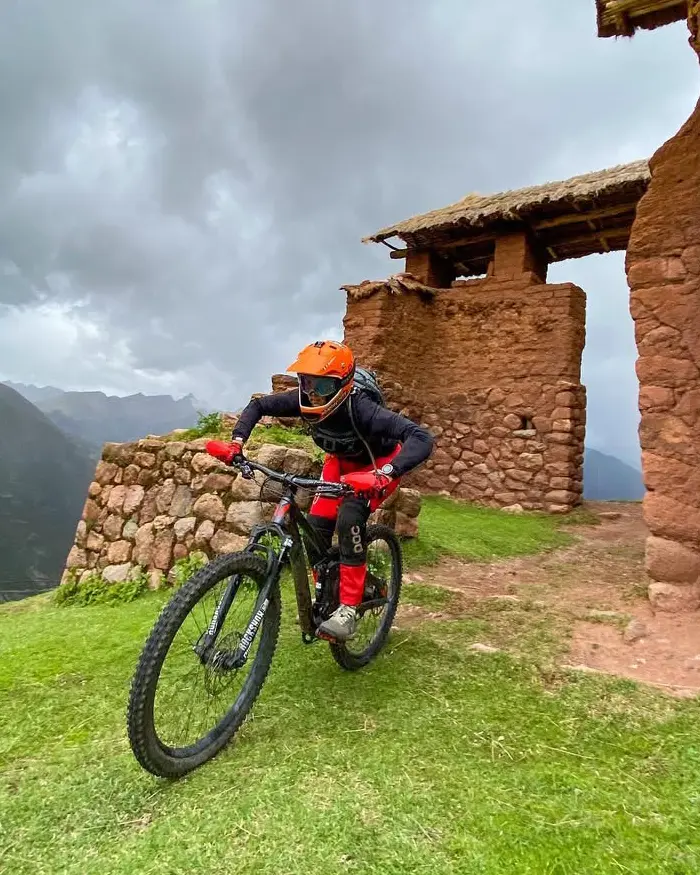
The rider adopts a controlled position, ideal for staying stable on technical descents in Huchuy Qosqo.
Useful gear for cycling at altitude
- Hydration system such as a pack or bottles
- Cycling glasses with UV protection
- High SPF sunscreen (SPF 30 or higher)
- Layered clothing for changing temperatures
- Light windbreaker or waterproof jacket
- Cycling gloves for protection and better grip
- Proper MTB helmet
- Basic tool kit
- Air pump or CO₂ cartridge
- Spare tube or tubeless repair kit
- Snacks or energy bars to maintain energy
- Buff or bandana for sun or dust protection
- Bike lights if the ride runs longer than expected
- Small first aid kit for emergencies
- Phone or GPS with offline maps
When it is better to rest
| Sign or symptom | What it means | What is recommended |
| Severe headache | It is one of the most common symptoms of altitude sickness. It may worsen with physical effort. | Rest, hydrate, and avoid intense exercise until it improves. |
| Strong dizziness or feeling unsteady | It may indicate that your body has not yet adapted to the lower oxygen availability. | Stop activity, sit or lie down, and rest. |
| Difficulty breathing even at rest | It may be a sign that the effort was too demanding for your current altitude. | Reduce physical effort and rest until normal breathing returns. |
| Extreme fatigue or weakness | Your body may need more time to adapt to exertion at altitude. | Stop intense activity and continue with rest or very light movement. |
| Nausea or major loss of appetite | It can appear during the adaptation process to altitude. | Eat light foods, hydrate, and rest. |
Natural remedies that may help
Below are some of the best known natural remedies.
Coca leaf
Coca leaf has been used in the Andes for centuries. You can consume it by chewing it, also known as chacchar, or as an infusion. Many people use it because it may help reduce the feeling of fatigue.
Coca tea
This is an herbal infusion made from coca leaves. In Cusco, it is common for hotels, restaurants, and lodgings to offer it to visitors during their first few days.
Muña
Muña is an aromatic Andean plant similar to mint. Its infusion is traditionally used to improve digestion and ease stomach discomfort.
Mint
Mint tea is another common drink in Cusco. It may help relieve nausea, improve digestion, and give you a refreshing feeling.
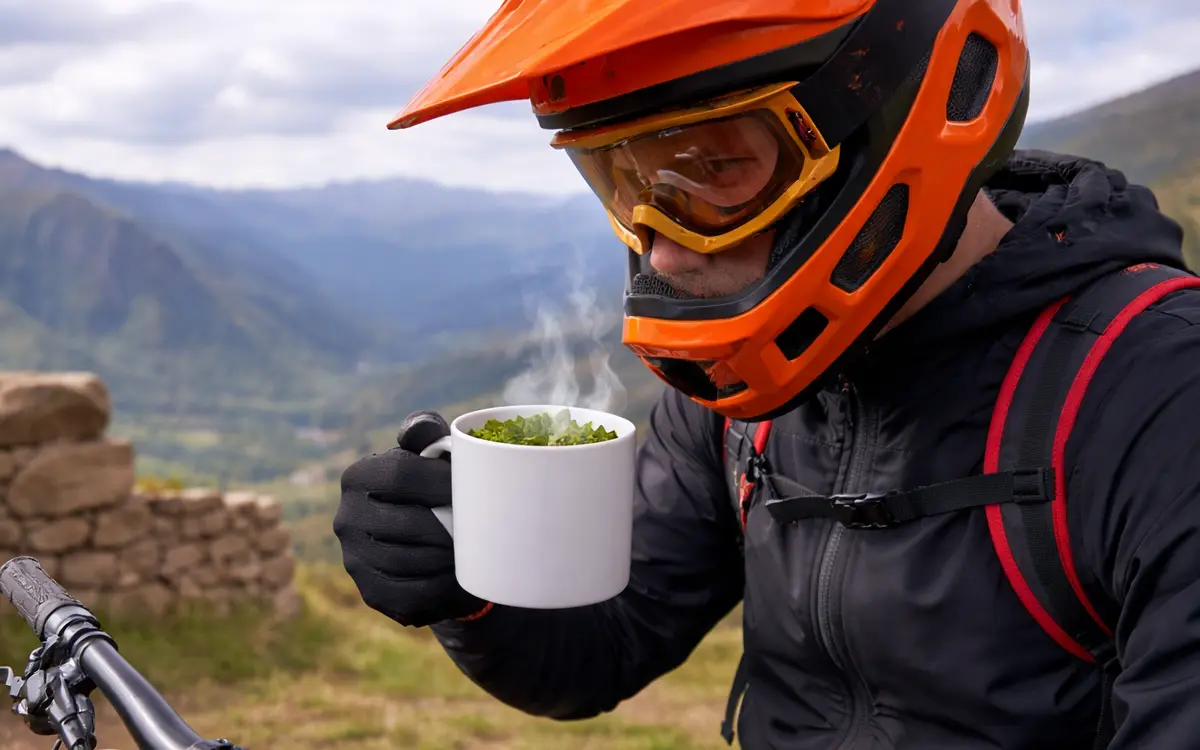
The combination of technical gear and drinking muña reflects complete preparation for demanding rides in the Andes.
Taking acclimatization for cyclists in Cusco seriously can make a major difference, especially on mountain routes where altitude and physical effort are impossible to ignore. Not sure how to organize your first days of acclimatization for cyclists in Cusco? At Peru Biking Tours, we can help you plan your adventure the right way. Contact us at +51 946 459 491 and get ready to ride the Andes with more confidence.
Thousands of travelers have trusted Peru Biking Tours to enjoy unforgettable experiences in the Andes.
Your safety first
Routes matched to your level, expert local guides, and full support at every moment.
No worries at all
We handle all the logistics so you can focus only on enjoying the scenery.
Authentic routes in Cusco
Experience the Sacred Valley for real, at your own pace, with access to the best trails.
High quality gear
Premium enduro bikes, helmets, and protective gear for every skill level.
Plan your MTB experience in Cusco
MTB Day Tours in Cusco
If you want to ride routes like Lamay Sapacto with the right logistics, local support, and the right trail selection, check out our MTB Day Tours in Cusco.
Multi-Day MTB Tours
For more complete experiences connecting multiple valleys and high mountain routes, explore our Multi-Day MTB Tours.


