
Most guided tours include a guide, transportation, and safety gear. Primary zones include areas around Cusco, the Sacred Valley, and rural valleys. Essentials: a full suspension MTB, full protection, and hydration.
Want to tackle one of the most technical trails in the Sacred Valley? Discover our day tours in Cusco designed for riders seeking real enduro in the Andes.
Altitude
10,800 to
13,800 ft
Best season
Apr to Nov
Duration
3 to 8
hours
Minimum level
Intermediate
Riding enduro in Cusco lets you experience the Andean landscape up close. Throughout the experience, you follow natural singletrack, traditional paths, and rural routes that link the city of Cusco with the Sacred Valley and nearby Andean communities. This guide is designed to help you understand what enduro feels like in the region and which routes you can ride.
Why Cusco is an ideal destination for enduro
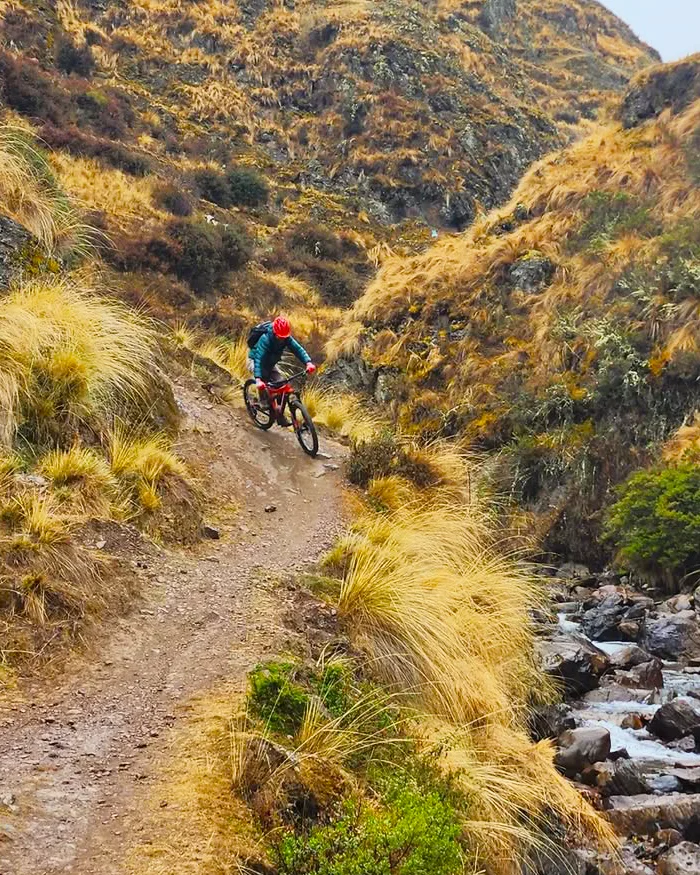
Cusco offers exceptional conditions for enduro thanks to its Andean geography, giving you a mix of high mountains, big natural elevation changes, and varied terrain, from dirt trails to rocky tracks with steep pitches.
These features let you ride long, continuous descents, one of enduro’s biggest draws, without altering the natural environment. From the city of Cusco, you can quickly reach areas like the Sacred Valley and nearby rural zones.
Keep in mind that many enduro routes in Cusco follow ancient trails and traditional corridors, some linked to the Inca road system, which adds cultural value to the riding experience.


Where to Ride Cusco Enduro
Cusco Enduro typically breaks down into three main zones, each with its own character that directly shapes the experience you get on the trail.
1. Around the city of Cusco
Some areas, like Yuncaypata, are popular for acclimatizing to the altitude, sharpening bike control, and riding half day routes. Trails blend natural terrain with open views over the Cusco Valley, making this a practical, approachable option if you are short on time.
2. Sacred Valley of the Incas
Zones like Lamay, Huayafara, Huama, Patacancha, and Lares deliver longer descents, more elevation loss, and more technical terrain. Here you ride mountain trails, traditional paths, and rural sections that cut through agricultural landscapes and Andean communities. These routes usually require more experience and a full day, but they reward you with a more intense, more varied ride.
3. Secondary valleys and rural areas
These trails run through rural zones where you have direct contact with Andean communities and the landscape remains lightly developed. They are ideal if you want an authentic experience, with less bike traffic and a stronger focus on connecting with the scenery.


Altitude and terrain on enduro routes
Altitude
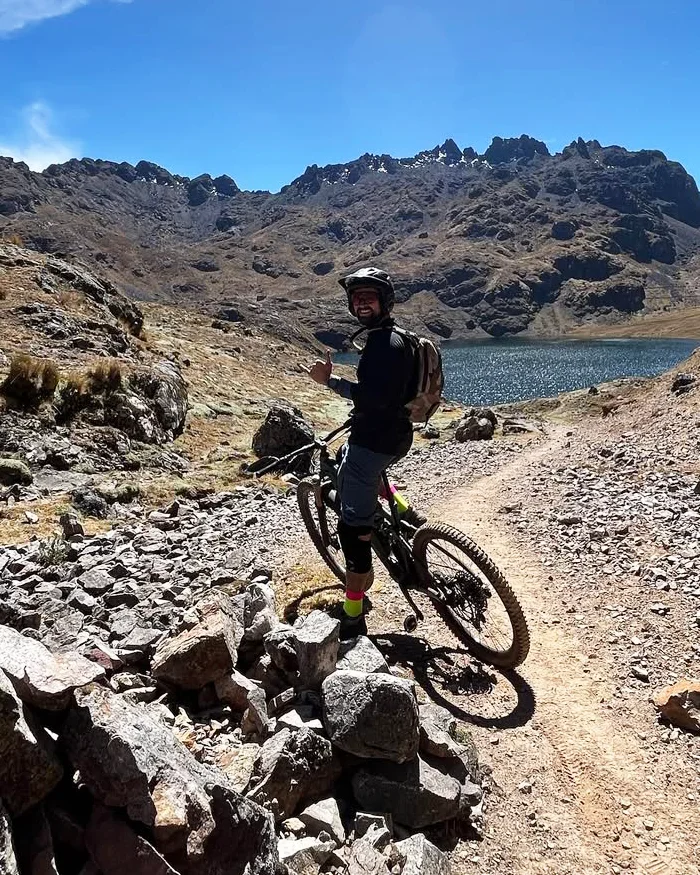
- You ride routes that sit from 10,800 to more than 13,800 feet (3,300 to more than 4,200 meters) above sea level.
- With less oxygen, physical effort feels more intense.
- You need gradual acclimatization to perform better and avoid excessive fatigue.
- Altitude affects both climbs and long, sustained descents.
Terrain
- You will find rocky sections that demand strong control and technique.
- You pedal along narrow tracks and mountain sections with steep slopes.
- You take on technical zones with uneven surfaces, tight turns, and natural obstacles.
Expert tip:
At altitude, keep a steady cadence and avoid abrupt changes in pace.
Most popular enduro routes in Cusco
💡 Choose your route based on your experience
Yuncaypata (2 to 3 days to acclimatize)
Lamay, Huama, Patacancha
Lares (maximum challenge)

What a typical enduro day in Cusco feels like
Your enduro day, step by step:
1
2
3
4
5
During the drive, your guide gives you an initial overview of the route, the day’s conditions, and the technical level expected based on the group.
Before you start, you will do a brief setup: bike adjustments, a gear check, and a clear explanation of the route, the terrain, and safety measures. Once you roll out, the day alternates long, technical descents with strategic pauses to rest, rehydrate, and take in the Andean scenery. This is what a classic Cusco Enduro day looks like in real life.
Recommended fitness and experience level
Note:
If it is your first time in Cusco, start with an adaptation route even if you ride well at home. The altitude and loose terrain change how control feels.
Essential gear for enduro in Cusco
Mountain bike with full suspension (recommended)
Full face helmet, gloves, knee pads
Layers, waterproof windbreaker
Hydration pack (at least 68 fl oz (2L))
MTB shoes with solid traction
Energy bars, nuts, gel
Expert tip:
Keep your body relaxed on long descents; stiffness causes early fatigue in your arms and back.
Best time of year to do enduro in Cusco
Who enduro in Cusco is best for
Enduro in Cusco is a great fit if you are an active traveler who loves mountain biking, especially if you want an adventure in high mountain landscapes. You enjoy physical challenges, technical descents, and wide open scenery, and you value experiences that go beyond traditional sightseeing.
Riding enduro in Cusco lets you explore the Andean geography by combining technical descents, high mountain views, and trails with cultural value. Each route matches your level and travel style, giving you an intense, well balanced experience. If you want to do this adventure with Peru Biking Tours, we have expert guides and routes designed by local specialists. Contact us at 946 459 491 and get ready to discover Cusco on two wheels.
Thousands of travelers have trusted Peru Biking Tours to enjoy unforgettable experiences in the Andes.
Your safety comes first
Routes adapted to your level, expert local guides, and full support at every stage.
No need to worry about a thing
We take care of all the logistics so you can focus entirely on enjoying the scenery.
Authentic routes in Cusco
Experience the Sacred Valley in a real way, at your own pace, with access to the best trails.
High quality gear
High end enduro bikes, helmets, and protective gear for every level.
Plan your MTB experience in Cusco
MTB Day Tours in Cusco
If you want to ride routes like Lamay Sapacto with the right logistics, local support, and the right trail selection, check out our MTB Day Tours in Cusco.
Multi Day MTB Tours
For more complete experiences that connect multiple valleys and high mountain routes, discover our Multi Day MTB Tours.
Frequently asked questions about enduro in Cusco
Do I need previous experience to ride enduro in Cusco?
It depends on the route you choose. There are more accessible options near the city that let you adapt gradually. However, most enduro routes require previous mountain biking experience, good balance, and solid control on descents.
How does altitude affect performance?
Altitude makes physical effort feel more intense and can tire you out faster. That is why it is smart to acclimatize for one or two days first, starting with shorter rides so your body adjusts gradually.
Is it safe to do enduro in Cusco if I am traveling solo?
Yes, it is safe as long as you ride with established operators and trained guides. They know the terrain, routes, and weather patterns, and they handle safety and logistics.
Does the tour include a bike and gear?
It varies by operator. Many tours offer mountain bike rental, a helmet, and basic safety gear. It is important to ask in advance what is included and what you need to bring yourself.
How many days do you recommend for riding enduro in Cusco?
You can do single day tours, especially if you have limited time. Ideally, though, plan for several days so you can acclimatize better, sample different routes, and enjoy a more complete experience.
What type of bike do you recommend?
Use a well maintained mountain bike, preferably full suspension, since it gives you better control, stability, and comfort on technical descents and uneven terrain.
Can I combine enduro with other activities?
Yes. It is very common to combine enduro with visits to the Sacred Valley, cultural walks, or Machu Picchu, making the bike an active part of a broader itinerary.
What is the best time of year to ride enduro?
The dry season (April to November) is usually the most recommended, since trails are firmer and the weather is more stable. During the rainy season, some routes become slicker and more technical.